

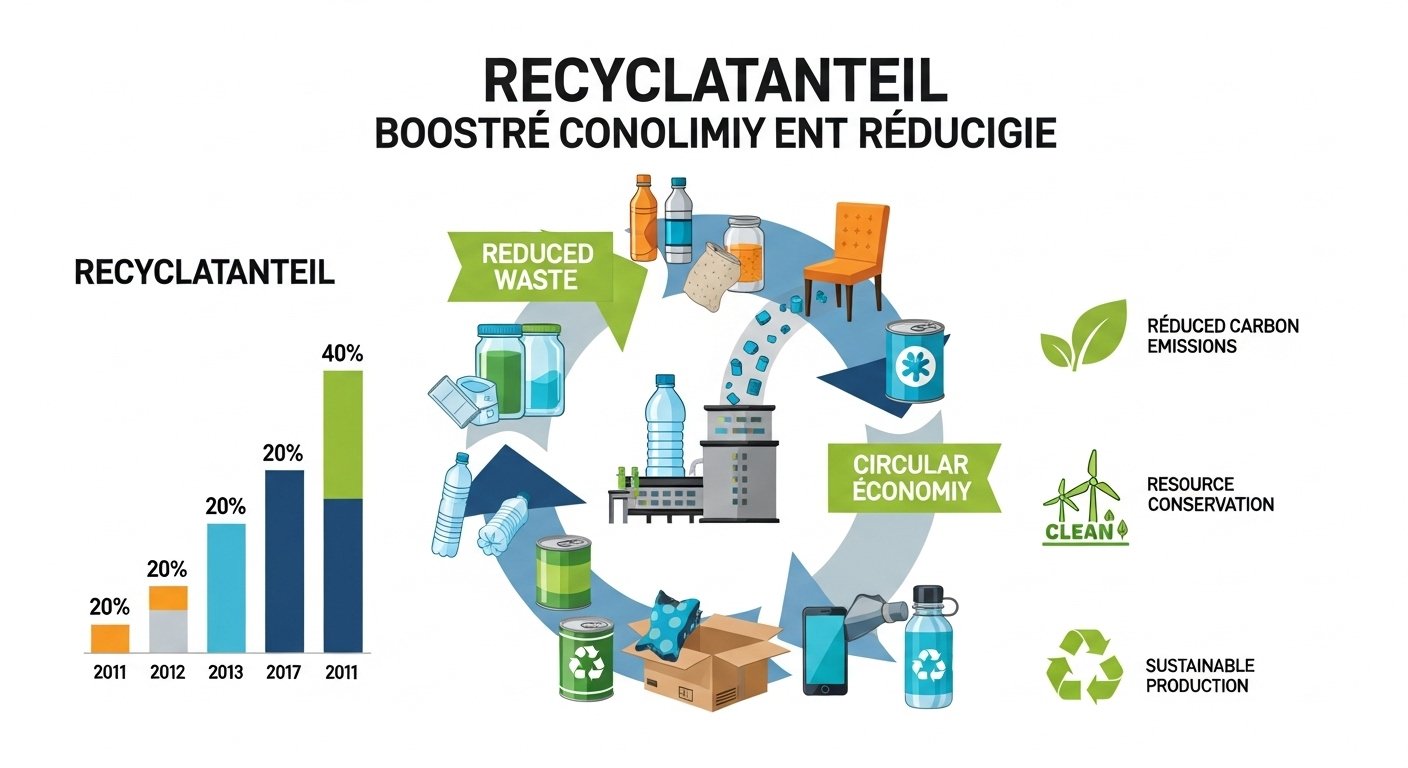
The world is waking up to the pressing need for sustainable practices. As we face increasing waste and environmental challenges, innovative solutions are key to creating a healthier planet. Enter recyclatanteil a powerful concept that aims to integrate recycled materials into production processes. It’s not just about recycling; it’s about transforming our economy into one that thrives on sustainability. This blog will explore what recyclatanteil really means, its role in promoting a circular economy, and how it can help us reduce waste while boosting economic growth. Buckle up as we dive into an exciting journey toward a greener future!
What is Recyclatanteil?
Recyclatanteil refers to the proportion of recycled materials incorporated into new products. This concept is gaining traction in various industries as a measure of sustainability.
By increasing recyclatanteil, manufacturers can significantly reduce their reliance on virgin resources. This leads to less environmental degradation and conserves natural habitats.
The idea promotes responsible consumption patterns. When consumers know that a product contains a high recyclatanteil, they may feel more inclined to make eco-friendly purchasing decisions.
Different sectors are adopting this practice, from packaging companies to fashion brands. It encourages innovation as businesses explore ways to incorporate more recycled content into their offerings.
As awareness grows, so does the demand for transparency regarding recyclatanteil in products. Shoppers appreciate knowing how much recycled material contributes to what they buy.
The Importance of Circular Economy and Reducing Waste
The circular economy is a game changer for our planet. It challenges the traditional linear model of “take, make, dispose”. Instead, it promotes a system where products are reused and recycled.
Reducing waste is crucial in this endeavor. Every item discarded contributes to overflowing landfills and pollution. By minimizing waste, we conserve resources and reduce harmful emissions.
Embracing a circular approach fosters innovation. Businesses are encouraged to design products with longevity in mind. This not only benefits the environment but also creates new economic opportunities.
Communities play a vital role too. Local initiatives can drive awareness about recycling practices and sustainable living habits. Engaging citizens leads to collective action that amplifies change. Every step taken towards reducing waste strengthens our ecosystem’s resilience while paving the way for future generations to thrive in a healthier world.
How Recyclatanteil Works
Recyclatanteil operates by integrating recycled materials into new products. This process begins with the collection and sorting of waste. Materials like plastics, metals, and paper are separated for recycling.
Once sorted, these materials undergo processing to remove impurities. They are then transformed into raw materials suitable for manufacturing. This not only conserves resources but also reduces energy consumption compared to using virgin materials.
Manufacturers can specify a certain percentage of recyclatanteil in their products. By doing so, they contribute directly to sustainability initiatives while meeting consumer demand for eco-friendly options.
As more companies adopt this practice, the market for recycled goods expands. Consumers increasingly look for labels indicating recyclatanteil in their purchases, driving further innovation in recycling technologies and practices.
Examples of Recycling Initiatives with Recyclatanteil
Across Europe, various companies are adopting recyclatanteil as part of their sustainability strategies. One notable initiative comes from a leading beverage manufacturer. They have introduced bottles containing up to 50% recycled plastic, significantly reducing new plastic production.
In the fashion industry, several brands are now utilizing recyclatanteil in their clothing lines. By incorporating recycled fibers into garments, they not only minimize waste but also educate consumers about sustainable choices.
Another inspiring example is an automotive company that has committed to using recycled materials for car interiors. This move not only reduces landfill waste but also enhances the brand’s reputation among eco-conscious buyers.
Communities are getting involved too. Local recycling programs often highlight products made with recyclatanteil, encouraging residents to support businesses that prioritize environmental responsibility and circular economy principles.
Impact on the Environment and Economy
The impact of recyclatanteil on the environment is profound. By increasing the amount of recycled materials in production, we reduce reliance on virgin resources. This leads to less deforestation and habitat destruction.
Moreover, recycling helps lower greenhouse gas emissions. Manufacturing with recycled content generally requires less energy than using new raw materials. This reduction plays a crucial role in combating climate change.
On the economic side, recyclatanteil fosters job creation within local communities. Recycling initiatives require manpower for collection, sorting, processing, and distribution of reused materials.
Additionally, businesses that adopt higher recyclatanteil often see cost savings over time. Lower material costs can enhance profit margins while promoting sustainable practices.
As demand for eco-friendly products rises, companies embracing recyclatanteil position themselves favorably in an increasingly conscious market landscape. The dual benefit of environmental stewardship and economic gain makes this approach essential for future growth.
Challenges and Solutions for Implementing Recyclatanteil
Implementing recyclatanteil comes with its share of challenges. One major hurdle is the inconsistency in recycling systems across regions. Different regulations and practices can confuse consumers and businesses alike.
Another challenge lies in the quality of recycled materials. Not all products are made equally, and some may not meet industry standards when reused. This can deter manufacturers from incorporating recyclatanteil into their products.
Education plays a crucial role in overcoming these barriers. By raising awareness about the importance of recyclatanteil, individuals can better understand their impact on sustainability.
Collaboration between governments, industries, and communities is essential for streamlining processes. Developing standardized guidelines will aid manufacturers in sourcing quality recycled content while maintaining compliance with environmental regulations.
Investing in technology to improve recycling methods could also enhance efficiency and output quality, paving the way for broader adoption of recyclatanteil initiatives.
Future Outlook and Potential for Growth
The future of recyclatanteil is brimming with potential. As global awareness of environmental issues rises, businesses are increasingly prioritizing sustainability. This shift opens doors for innovative recycling solutions.
New technologies promise to enhance the efficiency of recycling processes. Advanced sorting systems and improved materials recovery can significantly increase recyclatanteil in various industries. With these advancements, companies can meet consumer demands while minimizing their ecological footprints.
Government policies also play a crucial role in shaping this landscape. Stricter regulations aimed at reducing waste will encourage more organizations to adopt higher recyclatanteil standards.
Furthermore, collaboration between industries could lead to groundbreaking initiatives that boost circular economy practices. Sharing insights and resources may accelerate progress on sustainability goals across multiple sectors.
Public interest in sustainable products continues to grow, driving demand for transparent sourcing and eco-friendly practices. Businesses embracing recyclatanteil stand poised not just for compliance but also competitive advantage as consumers actively seek responsible choices.
Conclusion
Recyclatanteil is more than just a concept; it’s a vital component of our journey towards sustainability. By integrating recyclatanteil into various industries, we can significantly reduce waste and promote the circular economy, ensuring that resources are reused and repurposed effectively.
The importance of this initiative cannot be overstated. It fosters innovation in recycling processes while encouraging consumer awareness about their environmental impact. As businesses adopt higher recyclatanteil levels, they not only comply with regulations but also resonate with eco-conscious consumers looking for sustainable practices.
Implementing recyclatanteil presents challenges, such as logistics and quality control issues. However, many organizations are developing solutions to streamline these processes. From technology advancements to collaborative efforts between businesses and communities, there is ample opportunity for growth in this area.
Looking ahead, the potential for recyclatanteil is immense. With growing global emphasis on sustainability and responsible consumption, increased investment in recycling technologies will likely lead to broader adoption across sectors. The future holds promise as we strive toward a world where waste becomes obsolete through innovative practices like recyclatanteil.