
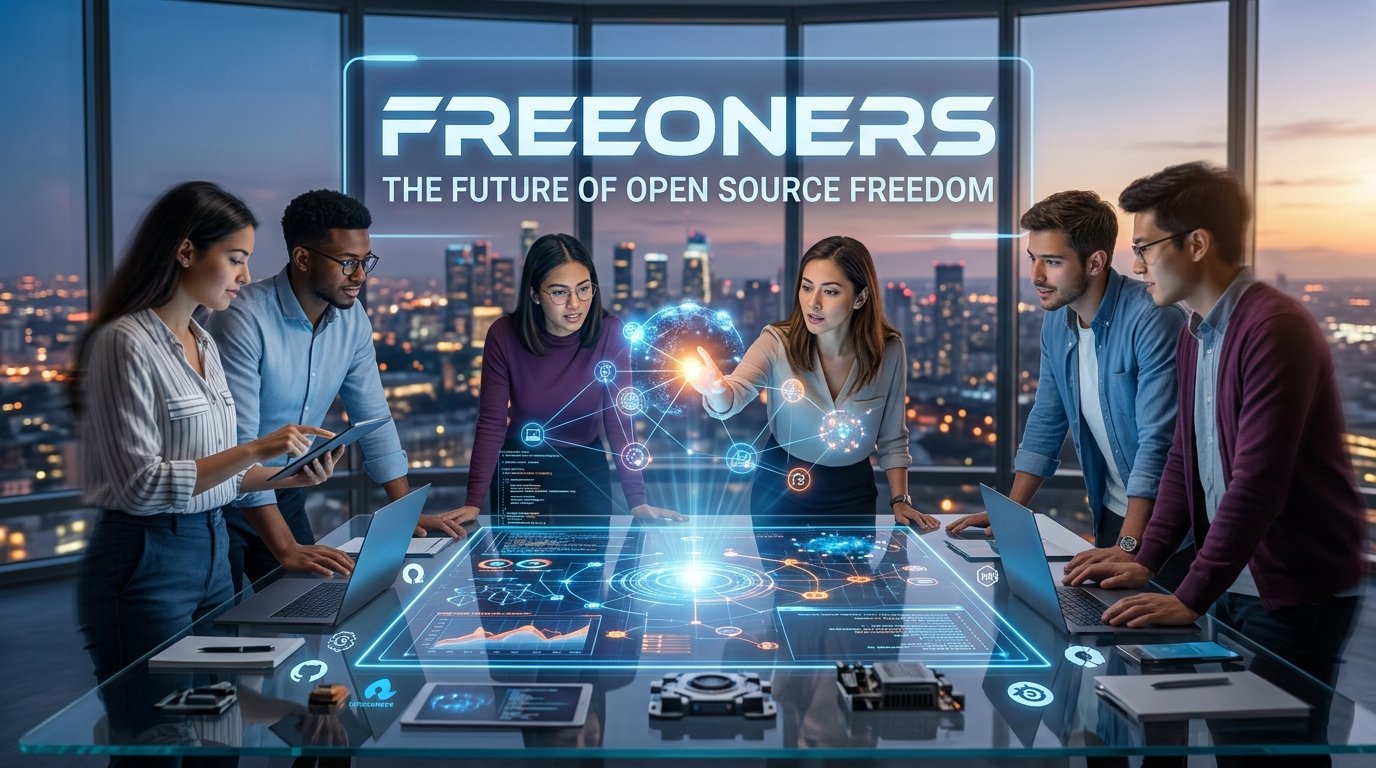
In a world where technology shapes our lives, the concept of freedom takes on new dimensions. Have you ever wondered what it would be like to use software without restrictions? Enter Freeoners: a movement that champions open-source ideals and empowers individuals to harness the true potential of technology. As more people seek alternatives to proprietary software, Freeoners emerge as pioneers in the quest for digital autonomy. This blog will take you on an exciting journey through the essence of Freeoners and their vital role in shaping the future of open source freedom. Get ready to explore how this innovative approach is changing lives and redefining what it means to truly own your digital experience!
What is Freeoners?
Freeoners are individuals who embrace the philosophy of open-source software and technology. They believe in the power of collaboration and sharing knowledge for the greater good. This movement encourages innovation without barriers, allowing everyone to contribute.
At its core, Freeoners advocate for transparency. They challenge proprietary systems that restrict access to information and resources. By promoting open-source alternatives, they aim to create a more equitable digital landscape.
This community thrives on creativity and inclusivity. Members often share their projects, skills, or even code with others. The idea is not just about using free tools but actively participating in their development.
Being a Freeoner means valuing freedom freedom to modify, distribute, and use software as one sees fit. It’s about empowering users rather than limiting them through restrictive licenses or corporate controls.
Understanding the Concept of Open Source
Open source is a revolutionary approach to software development. At its core, it promotes collaboration and transparency. Developers around the world can access, modify, and share code freely.
This model encourages innovation by allowing anyone with the skills to contribute. It breaks down barriers typical of proprietary systems where only select individuals control the software’s fate.
Communities form around open-source projects, fostering shared knowledge and collective problem-solving. Users are not just consumers; they become active participants in shaping technology.
Moreover, open-source solutions often prioritize user privacy and security. The community can scrutinize code for vulnerabilities that might be overlooked in closed environments.
In a rapidly evolving digital landscape, open source represents a shift toward democratization in tech. It empowers users while enabling a more inclusive ecosystem for developers everywhere.
The Role of Freeoners in the Open Source Movement
Freeoners are a vital force within the open source movement. They embody the spirit of collaboration and shared knowledge that defines this community. By contributing their time and skills, Freeoners help create software that benefits everyone.
These individuals thrive on transparency. They advocate for free access to resources and information, fostering an environment where innovation can flourish without barriers. Their involvement often leads to enhanced security and quality in projects due to collective scrutiny.
Moreover, Freeoners empower others by teaching them how to engage with open source tools effectively. This education creates a ripple effect, encouraging more people to join the movement.
Their efforts strengthen the idea that technology should be accessible for all, not just a select few. As they continue to champion rights over proprietary systems, Freeoners play a crucial role in shaping how we view digital freedom today.
Benefits of Using Freeoners
Freeoners offer a fresh perspective on digital collaboration. They empower users to share and modify software freely, fostering innovation in ways proprietary systems cannot.
One significant benefit is the community-driven support. Users can tap into a vast network of developers who continually improve software. This results in quicker updates and more robust security fixes.
Cost savings also play a crucial role. With Freeoners, individuals and organizations avoid hefty licensing fees associated with traditional software. This opens doors for startups and small businesses that might otherwise struggle with expenses.
Flexibility is another advantage worth noting. Users can tailor programs to fit their specific needs rather than conforming to rigid commercial solutions. The adaptability makes it easier for different sectors to thrive using customized tools.
Engaging with Freeoners cultivates a sense of belonging among like-minded enthusiasts passionate about technology’s potential as a force for good.
How to Become a Freeoner
Becoming a Freeoner is an exciting journey toward embracing the ethos of open-source freedom. Start by immersing yourself in the principles that drive this movement. Familiarize yourself with various open-source projects and communities. This knowledge will serve as your foundation.
Next, engage actively within these communities. Join forums, attend meetups, or participate in online discussions. Networking is key; it opens doors to collaborations and mentorships.
Consider contributing to existing projects or initiating your own. Even small contributions matter—bug fixes, documentation improvements, or feature suggestions can make a significant impact.
Advocate for open source beyond digital spaces. Share insights on social media platforms and educate others about its benefits. The more you spread awareness, the stronger the community grows.
Embrace continuous learning as technology evolves rapidly in this field. Staying informed ensures you’re always at the forefront of innovation while embodying the spirit of being a Freeoner.
Challenges and Controversies Surrounding Freeoners
Despite their promising vision, Freeoners face significant challenges. One key issue is the fragmentation within the community. With diverse perspectives on what open source should look like, consensus can be hard to reach.
Another concern revolves around funding and sustainability. Many projects rely on donations or sponsorships, which can lead to financial instability. This often hampers long-term development efforts.
Additionally, there are debates regarding intellectual property rights. Some believe that too much openness may compromise innovation and creativity in technology.
Security also poses a dilemma for Freeoners. Open-source software can be more vulnerable to exploitation if not managed properly, raising questions about user safety.
Public perception remains mixed. While many embrace the ideals of free software, others worry about quality and support compared to proprietary options. These controversies shape the ongoing dialogue surrounding Freeoners today.
Future Outlook for Freeoners
The future of Freeoners looks promising as more individuals and organizations recognize the importance of open source principles. This shift could lead to increased collaboration and innovation across various sectors.
Emerging technologies like AI and blockchain are also likely to intersect with Freeoner initiatives. These advancements may enhance transparency, security, and accessibility within open-source projects.
As communities grow, we might witness a surge in educational programs focusing on Freeoner skills. By equipping new generations with these tools, the movement can sustain its momentum.
Additionally, legislative changes around data privacy could create fertile ground for Freeoners to thrive. As people seek autonomy over their digital assets, free software solutions will become even more appealing.
With ongoing advocacy efforts pushing for open standards and equitable access, Freeoners may reshape industries that have traditionally resisted change. The potential impact is immense.
Conclusion
The concept of Freeoners represents a vibrant evolution in the open source landscape. It invites individuals to think differently about software ownership and collaboration.
As more people embrace this movement, communities will flourish. Ideas will flow freely across borders, cultures, and industries. The potential for innovation is boundless.
As we navigate through challenges and controversies inherent to such radical change, it becomes essential to engage thoughtfully in discussions around ethical practices. This ensures a sustainable future for all contributors.
Adopting the Freeoner mindset can reshape how we view technology. It fosters an environment where transparency thrives alongside creativity.
With ongoing advancements and increasing awareness, the journey ahead seems promising. The role of Freeoners could redefine not just software development but also our relationship with technology as a whole.
FAQs
What is Freeoners?
At its core, Freeoners represents individuals who advocate for free software solutions. They believe that technology should be accessible to everyone without restrictions or fees. By embracing tools and platforms under open-source licenses, Freeoners empower users to learn from and build upon existing technologies.
Understanding the Concept of Open Source
Open source refers to a type of software whose source code is made publicly available for anyone to view, use, modify, and distribute. This transparency fosters collaboration among developers across the globe. Users benefit not only from enhanced functionality but also from increased security since vulnerabilities can be identified quickly by a larger pool of contributors.
The Role of Freeoners in the Open Source Movement
Freeoners play an essential part in advancing the values associated with open source freedom of access and collaboration being paramount among them. They contribute code, share knowledge through forums or blogs like this one, and promote awareness about how vital these practices are for innovation.