
In today’s fast-paced world, the pursuit of wellness has never been more important. With so many trends and fads circulating, it can be overwhelming to find a path that truly nourishes your well-being. Enter holisticke living a vibrant approach that embraces every aspect of life for optimal health. Imagine integrating mind, body, spirit, environment, and community into your daily routine in a way that feels natural and fulfilling.
Holisticke isn’t just about eating organic or practicing yoga; it’s a lifestyle choice that encourages balance and harmony within yourself and with those around you. This comprehensive guide will take you through the essence of holistic living, offering insights on how to weave these practices into your everyday life while reaping their remarkable benefits. If you’re ready to discover an enriching path towards wellness that encompasses all dimensions of being let’s dive in!
What is holisticke?
Holisticke is a concept that embraces the interconnectedness of all aspects of life. It encourages viewing health and wellness as an intricate web rather than isolated parts. This approach recognizes that our mental, physical, emotional, and spiritual well-being are deeply intertwined.
The term itself stems from “holistic,” emphasizing the importance of treating individuals as whole beings. Rather than focusing solely on symptoms or ailments, holisticke emphasizes balance and harmony across various dimensions of life.
This philosophy extends beyond personal health to include environmental awareness and community engagement. By adopting a holistic perspective, individuals can foster deeper connections with themselves and others while nurturing their surroundings.
Through this lens, every choice be it dietary habits or lifestyle practices is seen as part of a larger puzzle aimed at achieving overall wellness. Holisticke invites you to explore these relationships for genuine healing and fulfillment in everyday life.
Understanding Holistic Living
Holistic living is about seeing the whole picture. It goes beyond just physical health, embracing all aspects of life. This approach recognizes that our mental, emotional, and spiritual well-being are interconnected. Each component influences the others significantly. When one area suffers, it can impact overall wellness.
Practicing holistic living encourages self-awareness and mindfulness. You start to understand your body’s signals better while fostering a deeper connection with your surroundings.
It promotes balance between personal needs and environmental factors too. This way of life invites you to cultivate meaningful relationships within your community as well. Holistic living isn’t a trend; it’s an ongoing journey toward complete wellness that invites growth on every level of existence.
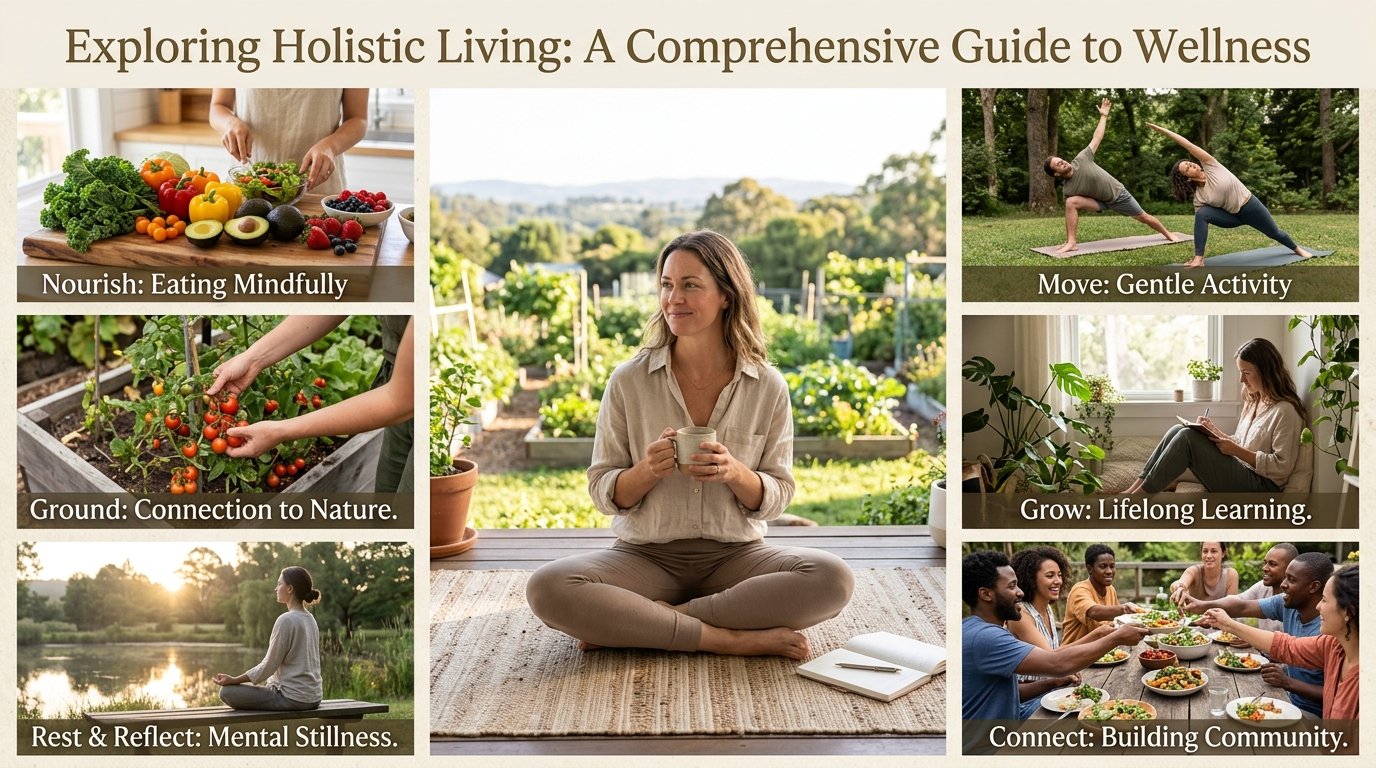
The Five Pillars of Holistic Health – Mind, Body, Spirit, Environment, and Community
Holistic health is built upon five essential pillars that work together to create balance and well-being. The mind, our first pillar, emphasizes the importance of mental clarity and emotional stability. Practices like mindfulness and meditation can foster a positive mindset.
Next, we have the body. Nourishing yourself with wholesome foods and engaging in regular physical activity keeps you energized. Remember, your body is your foundation.
The spirit represents our inner selves. Connecting with what brings us joy be it nature or creative expression—nurtures this aspect of holistic living.
Environment plays a crucial role too. A clean, organized space promotes tranquility and focus while reducing stressors around us. Community ties all these elements together. Building relationships fosters support networks that enhance overall wellness through shared experiences and understanding.
How to Incorporate Holistic Practices into Daily Life
Integrating holistic practices into your daily routine can be simple and fulfilling. Start with mindfulness. Set aside a few moments each day to meditate or practice deep breathing. This helps center your mind.
Consider your diet as well. Focus on whole, organic foods that nourish both body and spirit. Cooking meals at home can also deepen this connection to what you consume.
Movement is crucial too; try yoga or tai chi for gentle exercise that harmonizes the body and mind. Nature walks are another great way to connect with the environment while staying active.
Don’t forget about community engagement. Attend local workshops or volunteer—these activities strengthen social bonds and support mental well-being.
Create a ritual around gratitude by jotting down three things you appreciate each day. These small shifts build a holistic lifestyle over time, enhancing overall wellness in subtle yet profound ways.
Benefits of Holistic Living
Holistic living offers numerous benefits that extend beyond physical health. Embracing a holistic approach nurtures mental clarity and emotional balance. When all aspects of life are in harmony, stress levels decrease, leading to improved focus and decision-making.
Physical well-being also flourishes through this lifestyle. A balanced diet rich in natural foods fuels the body effectively. Regular movement—whether yoga or walking—supports overall vitality.
Spiritual growth is another rewarding aspect of holistic practices. Engaging with mindfulness fosters deeper connections with oneself and others, promoting inner peace.
Community ties strengthen as individuals share their journeys toward wellness. This creates a supportive environment where everyone can thrive together.
Environmental awareness becomes integral to daily choices. Living holistically encourages sustainable habits that benefit both personal well-being and the planet’s health.
Common Misconceptions about Holistic Living
Many people associate holistic living with mysticism or alternative practices, assuming it simply means using crystals or essential oils. However, holistic health is much broader and more grounded in everyday choices.
Another misconception is that it’s all about diet and nutrition. While food plays a vital role, holistic living encompasses mental well-being, emotional balance, and spiritual growth too. It’s about synergy among various aspects of life.
Some believe that adopting a holistic lifestyle requires radical changes or extensive knowledge. In reality, small adjustments can lead to significant shifts over time.
There’s the idea that holistic practices are only for certain demographics—those who can afford wellness retreats or organic groceries. Holistic living is accessible to everyone; it’s about making conscious decisions aligned with personal values and needs.
Resources for Practicing Holistic Health
Finding reliable resources is key to embracing holisticke living fully. Many books delve into this lifestyle, offering insights on integrating mind, body, and spirit health. Titles like “The Healing Power of Whole Foods” or “Mindfulness for Beginners” provide valuable guidance.
Online communities also thrive in the realm of holistic health. Websites and forums connect individuals passionate about natural healing practices. Engaging with others can inspire new ideas and techniques.
Local workshops often focus on various aspects of holistic wellness. These events allow participants to experience firsthand yoga sessions, meditation classes, or nutrition seminars.
Podcasts are another great avenue for learning more about holisticke principles. They offer expert interviews that deepen your understanding while fitting seamlessly into a busy schedule.
Consider apps dedicated to mindfulness and well-being. These tools encourage daily practice through guided meditations or wellness challenges tailored for every individual journey.
Conclusion
Holisticke living encourages a balanced approach to life. By focusing on the interconnectedness of mind, body, and spirit, individuals can cultivate a deeper sense of well-being.
Embracing this lifestyle opens doors to holistic practices that enhance daily experiences. Whether through mindfulness or intentional community interactions, positive changes emerge naturally.
As curiosity grows around wellness trends, holisticke stands out as a comprehensive path. It invites people to explore their potential while fostering connections with others and the environment.
The journey toward holistic health is deeply personal yet universally impactful. Each step taken contributes not just to individual vitality but also enriches communities as a whole.
With resources readily available for guidance and support, anyone can embark on this transformative path at their own pace. The exploration is ongoing and ever-evolving in its beauty and insights.
FAQs
When it comes to holistic living, many questions often arise. Here are some common inquiries and clarifications that can help deepen your understanding of this lifestyle.
What is holisticke?
Holisticke is a concept focused on treating the whole person rather than just specific symptoms or ailments. It emphasizes the interconnectedness of mind, body, spirit, environment, and community.
How can I start practicing holistic living?
Begin by making small changes in your daily routine. Introduce mindfulness techniques like meditation or yoga. Incorporate more natural foods into your diet and seek out sustainable products for your home.
Are there any risks associated with holistic practices?
While most holistic practices are safe, it’s essential to consult with healthcare professionals before making significant lifestyle changes or trying new therapies.
Can holistic living replace conventional medicine?
Holistic living complements traditional medicine but should not be viewed as a replacement for necessary medical treatments. Always work alongside healthcare providers for optimal health outcomes.
Is holistic living suitable for everyone?
Yes! Holistic principles can benefit individuals from all walks of life regardless of age or background. The focus on balance makes it adaptable to various personal needs and preferences.
By embracing these concepts while addressing common concerns surrounding them, anyone interested in pursuing holisticke has ample resources at their fingertips to enhance their journey toward wellness.