

Gout can be a painful and frustrating condition, but there is hope. Enter Goutabio—a holistic approach that emphasizes the power of dietary changes to manage this ailment effectively. Understanding how what you eat impacts your body can make all the difference in alleviating symptoms and preventing flare-ups. With the right knowledge and tools at your fingertips, navigating life with gout doesn’t have to feel overwhelming. Let’s dive into what Goutabio entails and explore practical ways to adjust your diet for better health outcomes!
What is Goutabio?
Goutabio is an innovative approach to managing gout through tailored dietary strategies. It emphasizes the impact of nutrition on health, particularly for those suffering from this painful condition.
The concept revolves around understanding how specific foods influence uric acid levels in the body. By making informed choices, individuals can alleviate symptoms and prevent flare-ups.
At its core, Goutabio seeks to empower people with actionable insights. This method highlights not just what to avoid but also what delicious options can support better health while enjoying meals.
It’s more than a diet; it’s a lifestyle shift that encourages mindfulness about food intake. With Goutabio, you aren’t just managing gout—you’re embracing a holistic path toward well-being and vitality.
Understanding Gout and its Causes
Gout is a form of inflammatory arthritis, characterized by sudden and severe pain, redness, and swelling in the joints. It often manifests in the big toe but can affect other areas as well. The underlying cause revolves around high levels of uric acid in the blood.
When uric acid crystallizes, it deposits in joint tissues, leading to intense discomfort. Various factors contribute to elevated uric acid levels. Genetics is one—if someone in your family has had gout, you may be predisposed.
Diet also plays a critical role. Foods rich in purines break down into uric acid during digestion. Alcohol consumption and dehydration further exacerbate this condition. Recognizing these triggers helps manage symptoms effectively and reduce flare-ups over time. Understanding these facets provides essential insights for those dealing with this painful ailment.
Foods to Avoid for People with Gout
When managing gout, it’s crucial to steer clear of certain foods that can trigger flare-ups. High-purine foods are the main culprits, as they lead to increased uric acid levels in the body.
Red meats like beef and lamb should be minimized. Organ meats, such as liver and kidneys, contain even higher purine levels—definitely best avoided.
Seafood lovers need to be cautious too. Shellfish, sardines, mackerel, and anchovies can exacerbate symptoms significantly.
Sugary beverages pose another risk factor. Sodas sweetened with high-fructose corn syrup may contribute to an increase in uric acid production.
Alcohol consumption is a major concern. Beer has particularly high purine content while hard liquor can also provoke attacks. Being mindful of what you eat is essential for maintaining comfort and well-being when living with gout.
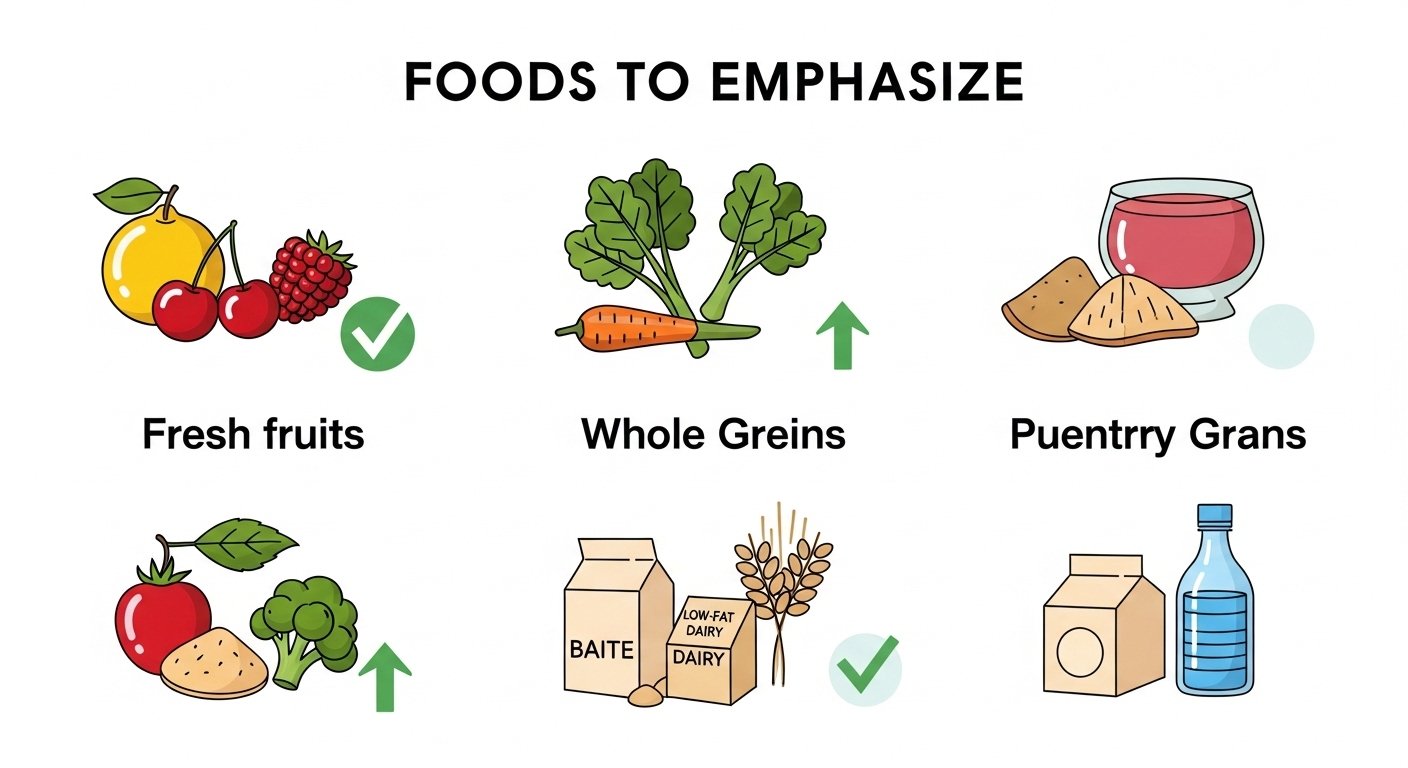
Foods to Incorporate in a Gout-Friendly Diet
When managing gout, focusing on the right foods can make a significant difference. Incorporate cherries into your diet. These little fruits are not only delicious but also have anti-inflammatory properties that may help lower uric acid levels.
Next, consider adding whole grains like brown rice and quinoa to your meals. They provide fiber while keeping your blood sugar stable—beneficial for overall health.
Leafy green vegetables such as spinach and kale should also be staples in a gout-friendly diet. They’re low in purines and packed with nutrients.
Don’t forget about fatty fish like salmon or mackerel. Rich in omega-3 fatty acids, these options can reduce inflammation and support heart health.
Legumes such as lentils and beans are great protein sources without the high purine content found in many meats. Embrace these foods to create balanced meals that nourish your body while helping manage gout symptoms effectively.
Meal Ideas and Recipes for a Goutabio Diet
When crafting meals for a goutabio diet, simplicity is key. Start your day with oatmeal topped with fresh berries and a sprinkle of cinnamon. This hearty breakfast is both filling and low in purines.
For lunch, consider a colorful quinoa salad. Mix cooked quinoa with diced cucumbers, bell peppers, and cherry tomatoes. Drizzle olive oil and lemon juice for flavor without added stress on your joints.
Dinner can be delightful too! Prepare baked salmon seasoned with herbs served alongside steamed broccoli and sweet potatoes. The omega-3s in salmon may help reduce inflammation.
Don’t forget snacks! Fresh fruit like cherries or an apple pairs well with unsalted nuts—perfect for keeping cravings at bay while adhering to the gout-friendly guidelines.
Experimenting with flavors can make meal prep enjoyable while staying true to the principles of a goutabio lifestyle.
Other Lifestyle Changes to Manage Gout
In addition to dietary changes, other lifestyle adjustments can significantly impact gout management. Staying hydrated is crucial. Drinking plenty of water helps flush uric acid from your system, reducing the risk of flare-ups.
Regular exercise also plays a vital role in controlling weight and improving overall health. Aim for low-impact activities like walking or swimming to avoid putting excess stress on your joints.
Limiting alcohol intake is essential as well. Beer and spirits can elevate uric acid levels, potentially triggering painful attacks. If you consume alcohol, moderation is key.
Stress management techniques such as yoga or meditation can be beneficial too. Reducing stress may help alleviate some symptoms associated with gout flare-ups.
Make sure you get enough sleep. Quality rest supports your body’s healing processes and contributes to better overall wellness during treatment for gouty arthritis.
Seek Professional Guidance and Stay Consistent
Navigating gout can be challenging, but you’re not alone. Seeking professional guidance is a vital step in effectively managing your condition. A healthcare provider or dietitian can create a personalized plan tailored to your needs.
Regular check-ins with professionals help ensure you stay on track. They can monitor your progress and adjust recommendations as necessary. This support empowers you to make informed decisions about your health.
Consistency is key when implementing dietary changes for gout management. Stick to your meal plans and avoid impulsive choices that could trigger flare-ups. Developing healthy habits takes time, so patience is essential in this journey.
Consider keeping a food diary to identify what works best for you. Documenting symptoms alongside meals helps highlight patterns and provides valuable insights during consultations with experts.
Stay committed to the process, and don’t hesitate to lean on others for motivation along the way.
Conclusion
Managing gout can feel overwhelming, but with the right dietary changes and lifestyle adjustments, relief is possible. Goutabio highlights the importance of tailoring your diet to help ease symptoms and prevent flare-ups. By understanding what triggers your condition and making informed food choices, you empower yourself to take control.
Incorporating plenty of fruits, vegetables, whole grains, and lean proteins into your meals can create a balanced approach that supports overall health while minimizing uric acid levels. Likewise, avoiding certain foods high in purines will play a crucial role in managing this condition effectively.
Don’t forget about the power of hydration drinking water consistently throughout the day can aid in flushing out excess uric acid from your system. Staying active also contributes positively to managing weight and reducing stress on joints.
Seek guidance from healthcare professionals who specialize in metabolic conditions if you’re unsure where to start or need personalized advice. Remember that consistency is key; small changes over time lead to significant improvements.
Embracing these strategies will not only enhance your quality of life but also provide a pathway toward long-term management of gout symptoms. Prioritize self-care as you navigate this journey towards better health through dietary modifications with goutabio principles at heart.