

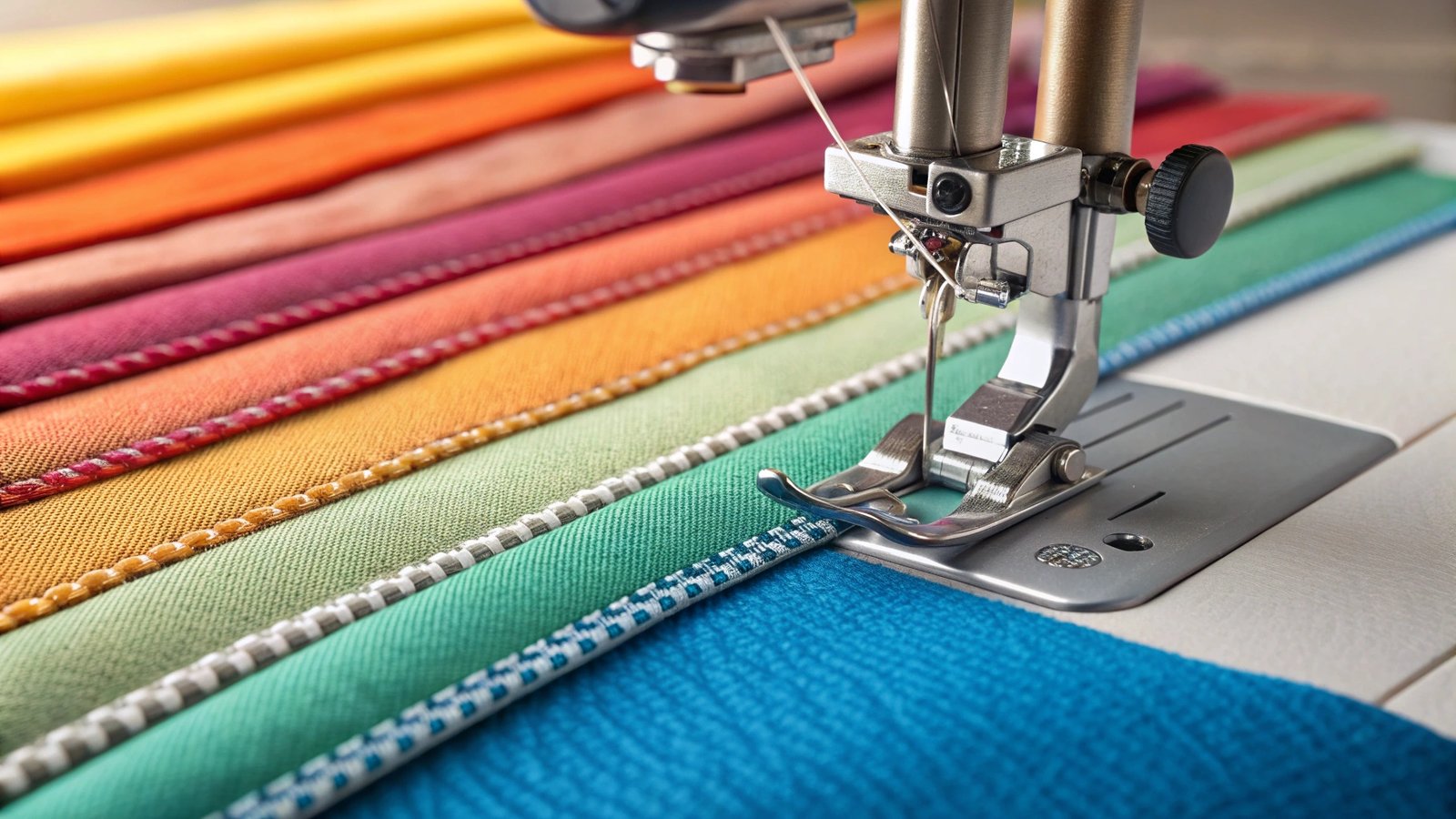
Sewing is an art that combines creativity with precision, and at the heart of every great project lies one crucial element: the seams. Whether you’re a novice picking up your first needle or an experienced stitcher tackling intricate designs, understanding nahttypen or seam types is essential for achieving flawless results. But what exactly are these different seam types? How do they influence the look and durability of your work?
In this guide, we’ll unravel the mystery behind various seams in sewing. From basics to advanced techniques, you’ll discover everything you need to know about selecting and mastering nahttypen for any fabric or project. Prepare to enhance your skills and elevate your sewing game!
What is Nahttypen?
Nahttypen, or seam types, are essential for any sewing project. Each type of seam serves a specific purpose and affects the overall look and durability of your garment. Understanding nahttypen can elevate your sewing skills. They vary widely from simple straight stitches to more complex techniques like French seams. Choosing the right seam type is crucial depending on fabric weight, stretchability, and design.
Different fabrics require different approaches. For instance, lightweight fabrics often benefit from delicate seams that reduce bulk. On the other hand, heavier materials might need sturdier constructions for added strength. Learning about these various types opens up a world of creative possibilities in sewing projects. It allows you to tailor each piece precisely to your vision while ensuring functionality and style remain intact.
Tips for Sewing Different Seam Types
When tackling various nahttypen, it’s essential to understand the characteristics of each seam. Start with a good quality fabric. Choosing the right material can significantly affect how your seams perform.
Always use the appropriate thread for your project. The wrong thread can lead to tension issues and uneven stitches. Experimenting with different needle sizes is also crucial; thicker fabrics often require larger needles. Don’t forget about pressing as you sew. Pressing seams open or to one side enhances their appearance and helps in achieving a professional finish.
Practice makes perfect! Before committing to your main project, try out different stitch types on scrap fabric first. This will help you get comfortable with each seam type’s unique requirements without any pressure. Measure twice before sewing any seam type. Accurate measurements avoid unnecessary adjustments later on, saving time and frustration during the process.
Basic Seam Types for Beginners
For beginners, mastering basic seam types is essential. These seams form the foundation of sewing projects and help build confidence. The straight stitch is the most common. It’s perfect for joining two pieces of fabric together. A simple line can create strong seams in various materials.
Next, we have the zigzag stitch. This type adds stretch to seams, making it ideal for knits or fabrics that fray easily. It prevents edges from unraveling while providing some elasticity. French seams offer a clean finish without raw edges showing. They are especially useful for lightweight fabrics like silk or chiffon. Simply sew two lines within your seam allowance, encasing raw edges neatly.
Consider the overlock stitch if you have an overlocker machine handy. It trims and finishes edges simultaneously, creating durable and polished results on woven fabrics. These basic seam types set a solid groundwork as you explore more complex techniques later on.
Advanced Seam Types for Experienced Sewers
Advanced seam types open up a world of possibilities for experienced sewers. Techniques like the flat-felled seam offer durability and a neat finish, making it ideal for garments that undergo frequent wear.
The French seam is another elegant choice. This method encases raw edges, preventing fraying while providing a polished look inside your creations. It’s perfect for lightweight fabrics where you want to show off fine craftsmanship.
For those working with stretchy materials, the stretch stitch or zigzag seam provides flexibility without compromising strength. These seams accommodate movement beautifully in activewear and casual apparel. Don’t overlook the bound seam as well; this technique uses bias tape to cover raw edges giving projects an attractive professional touch. Mastering these advanced nahttypen elevates your sewing game significantly.
How to Choose the Right Seam Type for Your Project
Choosing the right seam type can significantly impact your project’s outcome. Start by considering the fabric you’re using. Delicate materials often require lighter seams like French or flat-felled, while sturdy fabrics can handle heavier options. Next, think about the garment’s purpose. For activewear, opt for stretchy seams that allow movement and flexibility. In contrast, formal wear may benefit from more structured finishes.
Don’t forget to factor in aesthetics. Some seams are designed to be visible and add style, such as topstitching or decorative stitching techniques. Consider your skill level and available tools. Certain seam types demand advanced skills or specific machines. Choose a technique that aligns with your experience so you can achieve the best results without frustration during sewing sessions.
Tips and Tricks for Perfect Seams
Achieving perfect seams is an art that requires practice and a few handy tips. Start by using the right needle for your fabric type. A sharp needle works wonders on woven fabrics, while a ballpoint needle is ideal for knits. Always press your seams open or to one side after sewing. This not only enhances the appearance but also prevents puckering. Consider investing in a seam gauge; this tool helps maintain consistent seam allowances.
Using quality thread can make a significant difference too. It reduces fraying and breakage, ensuring sturdy seams over time. Don’t forget to test stitch on scrap fabric before diving into your project; it’s an excellent way to troubleshoot any issues early on. Take it slow! Rushing through can lead to mistakes you’ll have to fix later. Enjoy the process of creating beautiful seams as part of your sewing journey.
Common Mistakes to Avoid in Seam Sewing
Sewing seams may seem straightforward, but there are pitfalls even seasoned sewers can stumble into. One common mistake is not pre-washing fabric. This crucial step prevents future shrinkage and warping that can ruin your hard work. Another frequent error involves incorrect seam allowances. Always measure accurately to maintain consistency throughout your project. Skipping this detail can lead to garments that don’t fit as intended.
Using the wrong needle type also causes complications. Each fabric requires a specific needle; using the right one ensures smooth stitching and avoids damaging delicate materials. Rushing through the sewing process often leads to misalignment of seams or uneven stitches. Take your time with each step for a polished final product. Neglecting proper pressing technique can leave your seams looking unprofessional. Press after sewing for clean lines and better shape in finished items.
Conclusion
Understanding nahttypen is essential for anyone looking to enhance their sewing skills. From basic seams that serve as the foundation of your projects, to advanced types that add intricate details and durability, knowing the right seam type can elevate your work significantly.
As you explore various seam types, remember that practice makes perfect. Each project offers an opportunity to experiment and refine your technique. Avoid common mistakes by paying attention to fabric choice and thread tension; these factors make a significant difference in achieving flawless seams.
Choosing the right seam for each project will not only improve its structural integrity but also its overall appearance. With time and experience, you’ll develop a keen sense of which nahttypen best suit different materials and styles. Embrace the art of sewing with confidence, armed with this knowledge about seam types. Your creations will be stronger and more beautiful as you master these essential techniques.