
Cumhuritey, a term that echoes through the annals of Turkish history, signifies much more than just a form of government. It represents the dawn of a new era, where innovation and progress took center stage. As Turkey stands at the crossroads of tradition and modernity, understanding Cumhuriyet is essential for grasping the essence of its identity today. This blog post will take you on a journey through time, exploring how this pivotal moment shaped not only a nation but also its people’s aspirations for democracy and equality. Join us as we delve into the rich tapestry of Turkey’s past and celebrate the ideals that continue to inspire millions!
What is Cumhuritey?
Cumhuriyet, meaning ‘republic’ in Turkish, signifies a pivotal moment in Turkey’s history. It embodies the transition from an empire to a modern nation-state grounded in democratic ideals.
Established on October 29, 1923, Cumhuriyet marked the end of centuries-old Ottoman rule. It aimed to create a government that represented the will of the people rather than monarchic authority.
At its core, Cumhuriyet emphasizes sovereignty and citizenship. Citizens became active participants rather than passive subjects. This shift empowered individuals with rights and responsibilities within their society.
The principles of secularism and equality are central to Cumhuriyet’s ethos. They promote inclusivity across diverse communities while ensuring that religion does not dictate governance.
Through Cumhuriyet, Turkey sought modernization by embracing Western values while respecting its rich cultural heritage. The republic symbolizes hope for progress and unity among its citizens today.
The History of Turkey leading up to the establishment of Cumhuriyet
The history of Turkey is rich and complex, woven with threads of ancient civilizations. From the Hittites to the Byzantines, this land has been a crossroads for empires.
By the late 19th century, the Ottoman Empire faced significant decline. Internal strife and external pressures created a ripe atmosphere for change. Nationalist movements surged as people sought autonomy and identity.
World War I marked a critical turning point. The Ottomans sided with the Central Powers but ultimately faced defeat. This loss left a power vacuum, leading to widespread disillusionment among citizens.
Amidst chaos arose Mustafa Kemal Atatürk, who envisioned a new direction for Turkey. His leadership galvanized support around reforming an old empire into a modern nation-state. The fervor was palpable; change was inevitable in this pivotal chapter of Turkish history before Cumhuriyet took its rightful place on October 29, 1923.
Mustafa Kemal Atatürk and his role in the formation of Cumhuriyet
Mustafa Kemal Atatürk stands as a towering figure in the establishment of Cumhuriyet. His vision for Turkey was clear—he aimed to create a modern, secular republic that embraced democracy and science.
Atatürk’s leadership during the Turkish War of Independence galvanized the nation. He united various factions under a common goal: independence from foreign rule. This struggle laid the groundwork for his broader ambitions.
Once victory was secured, he wasted no time in implementing sweeping reforms. Education became accessible to all, with an emphasis on secularism and critical thinking. He introduced legal changes that promoted gender equality and women’s rights.
His commitment to nationalism fostered unity among diverse ethnic groups within Turkey. Under his guidance, Cumhuriyet transformed into more than just a government structure; it symbolized hope and progress for generations ahead.
Key principles and values of Cumhuriyet
Cumhuriyet is built on several foundational principles that shape modern Turkey. Among these, the concept of sovereignty stands out. The people hold power, and governance rests in their hands. Secularism plays a crucial role as well. It ensures that religion and state affairs remain distinct, promoting freedom of belief for all citizens.
Another key value is democracy. Citizens have the right to participate in political processes, allowing them to express opinions and influence decisions. Equality also lies at the heart of Cumhuriyet. Every individual has equal rights under the law, regardless of gender or background.
Education is emphasized as vital for national development. A well-informed populace contributes to progress and innovation within society. These core values create an inclusive framework where diverse voices can be heard while fostering unity amidst differences.
Celebrating important holidays and events related to Cumhuriyet
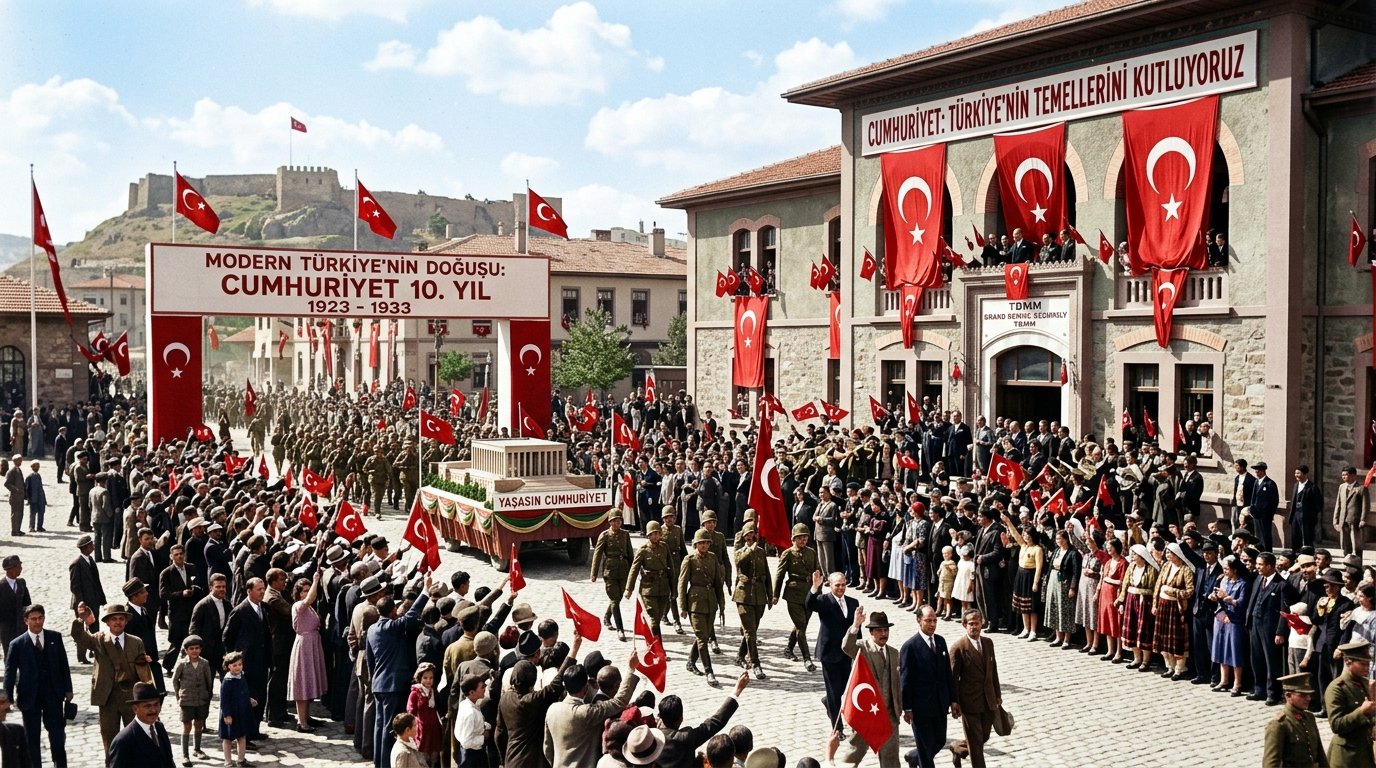
Cumhuriyet Bayramı, or Republic Day, is the most significant holiday in Turkey. Celebrated on October 29th every year, it marks the declaration of the republic in 1923. Festivities fill cities with vibrant parades, fireworks, and ceremonies.
Schools organize special programs showcasing students’ talents through poetry and performances. Citizens proudly wave flags while singing the national anthem together.
Another notable event is Atatürk Memorial Day on November 10th. Every year at 9:05 AM sharp, a moment of silence honors Mustafa Kemal Atatürk’s legacy. This day serves as a reminder of his vision for a modern nation.
Local festivities also pop up throughout the year to commemorate key milestones in Turkish history related to Cumhuriyet’s establishment. These gatherings foster community spirit and reinforce collective identity among citizens who cherish their democratic values deeply.
Impact of Cumhuriyet on modern Turkey
Cumhuriyet has profoundly shaped modern Turkey’s identity. Its establishment marked a significant shift from the Ottoman Empire to a nation-state, fostering unity among diverse ethnicities.
Education became a cornerstone of Cumhuriyet’s vision. A focus on literacy and science empowered citizens, promoting progress across various sectors. This transformation laid the groundwork for an informed society capable of contributing to democracy.
Women’s rights experienced dramatic advancements too. The introduction of legal reforms opened doors for women in education, politics, and the workforce. This empowerment enriched societal dynamics, leading to increased participation in public life.
Economically, Cumhuriyet spurred industrialization and modernization efforts that bolstered growth. Infrastructure projects improved connectivity between regions, stimulating trade and investment opportunities.
Culturally, it encouraged artistic expression rooted in national pride while embracing global influences. This cultural renaissance continues to define Turkey’s vibrant character today.
Challenges faced by Cumhuriyet and how they have been overcome
Cumhuriyet has encountered various challenges since its inception. One significant hurdle was the resistance from traditionalist factions. Many were reluctant to embrace modern secularism and reforms proposed by leaders.
Economic struggles also posed a threat. Early on, Türkiye faced financial instability and relied heavily on foreign aid for development. This challenge fostered innovation as leaders sought self-sufficiency through industrialization.
Social cohesion remained an ongoing issue. Ethnic diversity sometimes sparked tensions that threatened unity. Government initiatives promoting national identity played a crucial role in bridging these gaps.
In education, access disparities hindered progress for many citizens. Focused efforts on literacy and educational reform have significantly improved opportunities across the nation. Each obstacle shaped Cumhuriyet into what it is today a resilient entity committed to growth while honoring its foundational principles.
Conclusion
Cumhuriyet embodies the essence of modern Turkey. Its principles foster a sense of unity and progress among citizens. The journey has not always been smooth. Yet, resilience shines through in every challenge faced. This spirit is evident in the continued celebration of national identity.
Each holiday associated with Cumhuriyet brings people together, reinforcing shared values and cultural heritage. As Turkey navigates contemporary issues, the foundations laid by Cumhuriyet remain relevant today. They inspire future generations to uphold democratic ideals.
Engagement in civic life flourishes as citizens reflect on their rights and responsibilities. The story of Cumhuriyet continues to unfold, shaping not only Turkey’s path but also influencing its role on the global stage.
FAQs
Cumhuriyet, or the Republic of Turkey, is a pivotal milestone in the nation’s history. It signifies a transformation that laid down the foundation for modern governance and societal values. Understanding its significance leads us to explore various aspects that shaped this dynamic period.
What does Cumhuriyet mean? It translates to ‘Republic’ in Turkish and represents the establishment of a state governed by elected representatives rather than monarchs. This concept brought forth new ideals about democracy and citizenship.
The road to Cumhuriyet was paved with historical events dating back centuries. Ottoman rule dominated much of Turkey’s early history until World War I resulted in significant territorial losses. The ensuing turmoil set the stage for change, ultimately leading to widespread calls for reform and independence.
Mustafa Kemal Atatürk emerged as a key figure during this transitional phase. As a soldier turned statesman, he orchestrated efforts towards establishing Cumhuriyet on October 29, 1923. His leadership redefined not only political structures but also cultural practices across Turkey.