

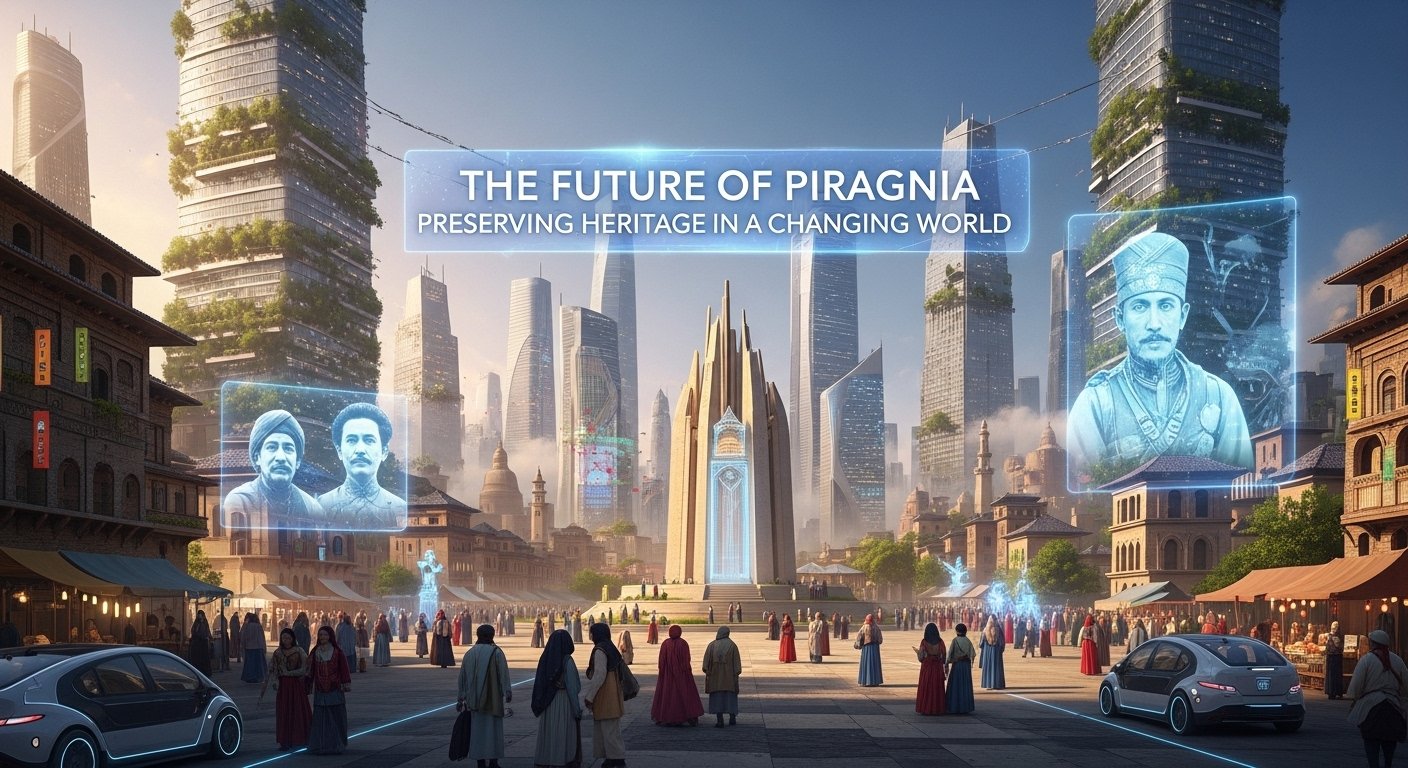
Nestled in the heart of a rapidly changing world, Piragnia stands as a testament to rich traditions and vibrant culture. This unique region boasts a tapestry woven from centuries of history, art, and community spirit. Yet, as globalization reaches every corner of our lives, the future of Piragnia’s heritage hangs in the balance. Will its timeless customs survive amid modern influences? Or will they fade into obscurity? Join us on an exploration of Piragnia’s cultural landscape where we’ll delve into what makes this place special and uncover the vital need for preserving its cherished identity amidst ongoing change.
What is Piragnia?
Piragnia is a vibrant cultural region known for its rich traditions and history. Nestled in an area where diverse influences converge, it showcases a unique blend of art, music, and architecture.
The heart of Piragnia lies in its local communities. These groups uphold time-honored customs that have been passed down through generations. Each festival celebrates distinct aspects of life here, from agriculture to craftsmanship.
Language plays a crucial role as well. The dialect spoken resonates with stories from the past and binds people together through shared experiences.
In addition to its cultural wealth, Piragnia boasts breathtaking landscapes that inspire creativity. Rolling hills and picturesque villages create an enchanting backdrop for everyday life.
Understanding Piragnia means appreciating both its heritage and the ongoing journey toward modernization while striving to maintain this delicate balance between tradition and progress.
The Impact of Globalization on Piragnia’s Heritage
Globalization has woven itself into the fabric of Piragnia, bringing both opportunities and challenges. While it opens doors to new cultures and ideas, it also threatens local traditions.
As global brands infiltrate markets, traditional artisans face fierce competition. Crafts that once thrived are struggling for survival against mass-produced alternatives. The unique flavors of Piragnian cuisine risk being overshadowed by international fast-food chains.
Language is another casualty in this whirlwind of change. Dialects that have echoed through generations are slowly fading as younger generations gravitate towards dominant languages like English or Spanish.
Yet, within this challenge lies potential. Global attention can spark interest in Piragnian heritage on a larger stage. Awareness campaigns and cultural exchanges may inspire pride among locals to reclaim their roots while engaging with the world around them.
The Importance of Preserving Heritage
Heritage is the essence of a community. It connects people to their roots and signifies cultural identity. For Piragnia, preserving this heritage means safeguarding stories passed down through generations.
Cultural landmarks, traditional practices, and local languages are irreplaceable treasures. They offer insights into the past that shape our present and future.
Preserving heritage fosters unity among inhabitants. It creates a shared sense of belonging that strengthens social bonds. This connection can also attract visitors interested in authentic experiences.
Moreover, maintaining traditions promotes diversity in an increasingly homogenized world. In Piragnia, these unique elements can inspire creativity in art, cuisine, and festivals—a vibrant tapestry woven from history’s threads.
When communities recognize the value of their heritage, they invest in sustainability. Protecting what makes Piragnia special ensures it thrives amid modern changes while honoring its rich narrative for years to come.
Challenges in Preserving Piragnian Heritage
Preserving Piragnian heritage faces multiple challenges. One major issue is the rapid urbanization affecting traditional sites. As new developments rise, historical landmarks can be lost to progress.
Another hurdle is the lack of funding for preservation projects. Many organizations struggle to secure financial support, leaving vital initiatives under-resourced. This often leads to delays and compromises in restoration efforts.
Community engagement also poses a challenge. Younger generations may feel disconnected from their cultural roots, prioritizing modern influences over traditional practices. It’s essential to foster interest and pride among locals.
Environmental factors cannot be overlooked either. Climate change threatens many aspects of Piragnia’s landscape and architecture, making it crucial to consider sustainable methods in preservation strategies.
Navigating these obstacles requires collaboration among government bodies, local communities, and international organizations dedicated to maintaining the rich tapestry of Piragnian heritage amidst change.
Strategies for Preserving Heritage in a Changing World
Embracing community involvement is key to preserving Piragnia’s heritage. Local residents hold invaluable knowledge about traditions and practices that define their cultural landscape. Engaging them in preservation efforts fosters a sense of ownership.
Leveraging technology can also play a vital role. Digital archiving allows for the documentation of historical sites, oral histories, and traditional crafts. These resources become accessible to future generations while educating wider audiences.
Collaboration with educational institutions enriches this endeavor too. Schools can introduce programs centered on local history, ensuring younger generations appreciate their roots.
Promoting sustainable tourism highlights the value of Piragnia’s heritage without compromising it. By encouraging visitors who respect local customs and support small businesses, we create an environment where culture thrives alongside modernity.
Examples of Successful Preservation Efforts in Piragnia
Piragnia has seen remarkable preservation efforts that showcase its rich cultural tapestry. One standout project is the restoration of the ancient Piragnian marketplace, where artisans gather to practice traditional crafts. This initiative not only revitalizes local skills but also attracts tourists eager to experience authentic Piragnian culture.
Another success story lies in the annual Heritage Festival, which celebrates local music, dance, and cuisine. This event fosters community involvement while educating visitors about Piragnia’s storied past.
The collaboration between government bodies and NGOs has led to the establishment of heritage conservation zones. These areas protect historical sites from modern encroachment, ensuring future generations can appreciate their significance.
Community-led initiatives further bolster these efforts. Local residents often organize clean-up drives for historic landmarks and engage youth in cultural workshops. Such grassroots movements are essential for keeping traditions alive amidst rapid change in Piragnia’s landscape.
Looking Towards the Future: Balancing Development and Preservation
As Piragnia moves forward, the tension between development and heritage preservation becomes increasingly pronounced. Urbanization promises economic growth but often at the cost of cultural identity.
Innovative solutions are crucial for maintaining this delicate balance. Community engagement plays a vital role in ensuring that local voices are heard during planning processes. Involving residents can lead to shared visions that respect both progress and tradition.
Collaboration with architects who specialize in sustainable design can also pave the way for harmonious developments. Projects that honor historical aesthetics while incorporating modern elements create a dialogue between past and present.
Investing in educational programs about Piragnia’s rich history will empower future generations to appreciate their roots. Such initiatives nurture pride in one’s heritage, fostering a sense of responsibility towards its preservation amidst change.
The path ahead demands creativity and commitment from all stakeholders involved—local governments, developers, and citizens alike—to forge a future where both culture and innovation thrive together.
Conclusion
As we look towards the future of Piragnia, it becomes clear that preserving its rich heritage is not just about maintaining the past. It’s about creating a dialogue between history and modernity. The challenges posed by globalization are significant, yet they also present opportunities for innovation in preservation strategies.
By embracing technology, fostering community engagement, and promoting sustainable tourism, Piragnia can navigate the complexities of development while honoring its unique cultural identity. Successful examples from within Piragnia serve as powerful reminders of what is possible when dedication meets creativity.
The journey ahead will require collaboration among local stakeholders, government bodies, and citizens alike. Only through such collective efforts can Piragnia ensure that its heritage remains vibrant and relevant to future generations. Balancing progress with tradition may be challenging but is essential for nurturing a sense of belonging in an ever-changing world.
The potential for Piragnia’s cultural tapestry to enrich lives both locally and globally remains boundless. With commitment and foresight, this beautiful region can thrive without sacrificing the essence that makes it truly special.