

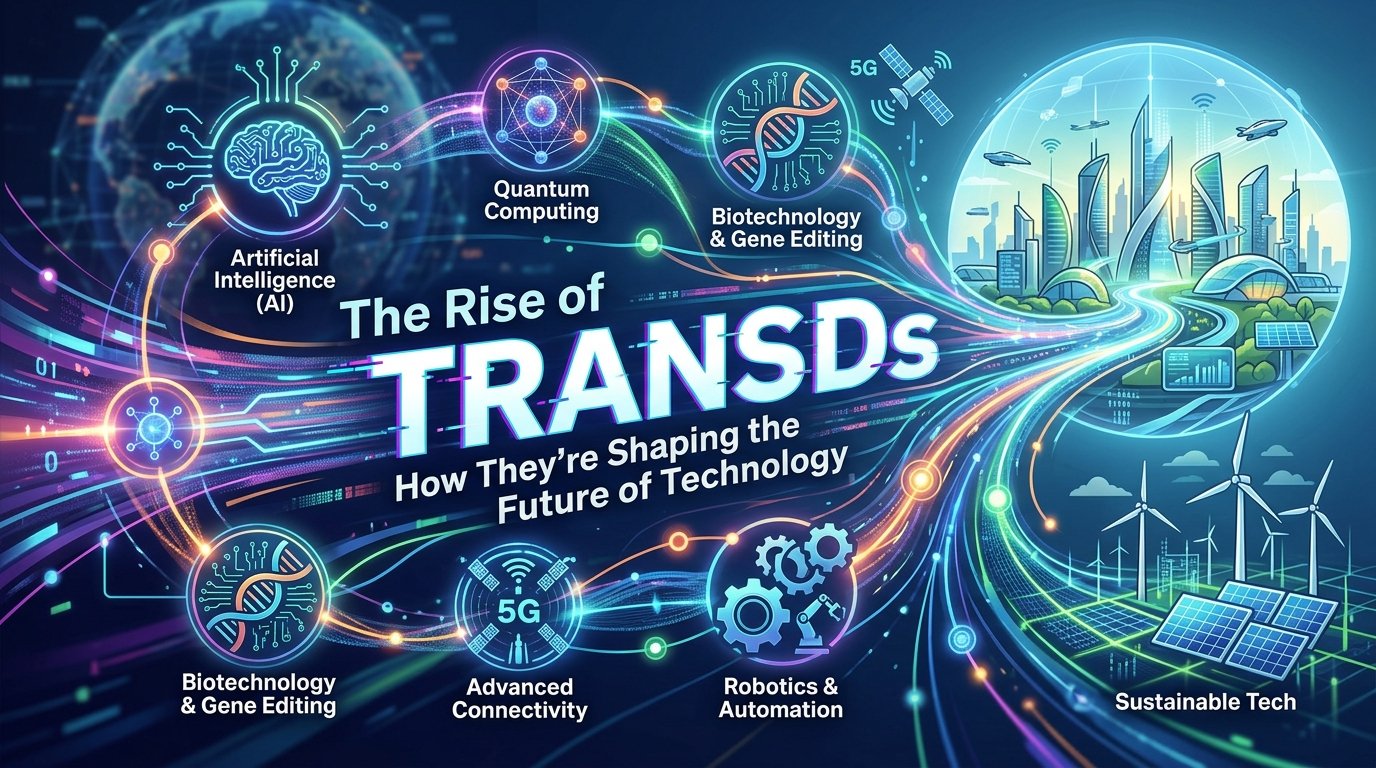
Imagine a world where technology transcends traditional boundaries, reshaping our lives in ways we’ve only dreamed of. Welcome to the era of Transds the innovative force altering how we interact with machines and data. As society embraces this transformation, understanding what Transds are and their implications becomes crucial. This evolution isn’t just about advanced devices; it’s about redefining potential across various sectors. Let’s dive into the fascinating realm of Transds and explore how they are paving the way for tomorrow’s technological landscape.
What is Transds?
Transds, short for transdisciplinary systems, represent a new wave of technology that blurs the lines between traditional fields. They integrate knowledge from various disciplines to solve complex problems in innovative ways.
At their core, Transds leverage collaboration across sectors science, engineering, art, and social sciences all contributing unique perspectives. This convergence allows for creative solutions that would be impossible within isolated domains.
Think of how artificial intelligence meets healthcare or renewable energy merges with urban planning. Such intersections create opportunities to tackle global challenges effectively.
By utilizing diverse methodologies and insights, Transds foster adaptability and resilience in rapidly changing environments. Their multifaceted approach is essential in navigating today’s intricate technological landscape.
The Impact of Transds on Technology
Transds are revolutionizing the tech landscape. By blurring the lines between physical and digital realms, they create new ways for users to interact with technology.
Their adaptability fosters innovation across various sectors. From smart homes to healthcare, transds enhance user experiences by personalizing interactions and streamlining processes.
In software development, these dynamic systems enable more flexible applications that can evolve based on real-time data analysis. This agility allows companies to respond quickly to market demands.
Moreover, transds promote collaboration among devices and networks. They foster an ecosystem where different technologies communicate seamlessly, leading to increased efficiency.
As we embrace this transformation, it’s clear that transds are not just a trend; they’re reshaping how we think about technology’s role in our lives. The implications are profound as industries adapt and grow around these emerging capabilities.
Examples of Transd Technology in Use
Transd technology is already making waves across various sectors. For instance, in healthcare, wearable devices utilize transds to monitor patient vitals in real-time. This innovation allows for quicker responses and better treatment plans.
In the automotive industry, self-driving cars rely heavily on transd systems for navigation and safety features. These vehicles can analyze their surroundings instantaneously, enhancing road safety.
The entertainment sector also benefits from transds through immersive experiences like virtual reality (VR). Users can interact with digital environments seamlessly, redefining how we consume media.
Moreover, smart homes leverage this technology to create interconnected environments. Appliances communicate effortlessly, optimizing energy consumption and improving user convenience.
From agriculture to finance, the applications of transd technology are diverse and transformative. Each example showcases its potential to reshape industries fundamentally while offering exciting possibilities for the future.
The Ethical Concerns Surrounding Transds
The rise of transds brings with it a landscape rich with ethical complexities. As technology advances, the implications for privacy and security become increasingly pressing. With data collection at unprecedented levels, users often find their personal information vulnerable.
There’s also the question of access. Who benefits from these innovations? A digital divide threatens to widen as those without resources might miss out on the advantages provided by transd technologies.
Moreover, bias in algorithms can perpetuate existing social inequalities. If not carefully monitored, these systems may reinforce discrimination rather than dismantle it.
As companies embrace transds, they must navigate these concerns responsibly. Transparent practices are essential to build trust among consumers and stakeholders alike. Engaging in open dialogue about risks is crucial for a balanced approach to innovation.
The Future of Transds and How They Will Continue to Evolve
The future of Transds is brimming with possibilities. As technology advances, the role of Transds will only become more integral. Their ability to integrate seamlessly into various sectors makes them an invaluable asset.
Innovation is key. We can expect rapid developments in artificial intelligence and machine learning that enhance Transd capabilities. This evolution will allow for smarter interactions between machines and humans.
Moreover, the increasing demand for personalization in digital experiences will drive further adaptation. Brands are likely to leverage Transds to create tailored solutions that meet specific user needs effectively.
As ethical considerations come into play, a focus on responsible development will shape their trajectory. Transparency and accountability could emerge as fundamental principles guiding this evolution, ensuring trust among users.
Organizations embracing these changes stand to gain significantly by staying ahead of the curve in implementing cutting-edge technologies powered by Transds.
How Companies are Utilizing Transd Technology for Business Advantages
Companies are increasingly turning to transd technology to gain a competitive edge. By integrating this innovative approach, businesses can enhance their data processing capabilities and improve decision-making.
Retailers utilize transds for personalized marketing campaigns. This allows them to analyze customer behavior in real-time, tailoring promotions that resonate with individual preferences.
In the manufacturing sector, organizations leverage transd technology for predictive maintenance. Sensors monitor equipment health, reducing downtime and increasing efficiency by anticipating failures before they occur.
Financial institutions also benefit from transds through enhanced security measures. Real-time fraud detection systems help mitigate risks while maintaining customer trust.
Moreover, healthcare providers adopt transd solutions to streamline patient data management. Efficient information sharing improves collaboration among medical professionals and ultimately elevates patient care quality across the board.
Embracing the Benefits of Transds in a Responsible Way
Embracing the benefits of transds involves a commitment to ethical practices. This technology offers unparalleled efficiency and innovation. However, as we integrate it into our daily lives, mindful implementation is essential.
Responsible usage means understanding its impact on society. Transparency in data handling builds trust among users and developers alike. Companies must ensure that their applications do not compromise privacy or security.
Collaboration across sectors can foster best practices for deploying transd technologies effectively. Educating stakeholders about potential risks encourages informed decision-making.
Moreover, investing in sustainable solutions reflects a proactive approach to leveraging transds without negative consequences. Balancing technological advancement with social responsibility allows us to harness this power while respecting fundamental values.
By prioritizing ethics alongside innovation, we create an environment where everyone benefits from the rise of transds leading to healthier communities and stronger economies over time.
Conclusion
The journey of transds is just beginning. Their potential to transform industries is immense. As we continue to explore this technology, new applications will emerge. These innovations could redefine how we interact with the digital world.
With advancements come responsibilities. It’s essential for companies and developers to prioritize ethical considerations in their implementations. In doing so, they can harness the power of transds while safeguarding user rights and privacy.
Looking ahead, collaboration among technologists, ethicists, and policymakers will be crucial. This partnership can ensure that the evolution of transd technology benefits society as a whole.
Staying informed about these developments will empower individuals and businesses alike. Embracing change wisely opens up new avenues for growth and creativity in a rapidly evolving landscape.
FAQs
The rise of Transds is transforming the technological landscape in ways we are just beginning to understand. As these innovative systems become more integrated into our daily lives and industries, it’s crucial to address common questions that arise.
What exactly are Transds?
Transds, or transformative digital systems, utilize advanced algorithms and artificial intelligence to enhance decision-making processes across various sectors. They adapt and learn from data inputs in real time.
How do Transds impact technology?
These systems streamline operations by automating mundane tasks, allowing human workers to focus on creativity and strategy. Their ability to analyze vast amounts of data leads to insights that were previously unattainable.
Can you give examples of Transd technology?
Smart assistants like Siri or Alexa, predictive analytics tools used in marketing, and AI-driven customer support chatbots all exemplify how Transd technology is currently being employed.
Are there ethical concerns with using Transds?
Yes. Privacy issues are at the forefront of discussions around AI technologies. Ensuring transparency and fairness while handling personal data remains a significant challenge.
What does the future hold for Transds?
As advancements continue, we can expect even greater integration into healthcare, finance, education, and beyond. The evolution will likely bring about new capabilities that enhance efficiency further.
How can companies benefit from utilizing this technology?
Businesses leveraging Transd technologies gain a competitive edge through improved operational efficiency and enhanced customer experiences. These advantages often lead to increased revenue growth as well.
This innovation wave has only just begun shaping our world; staying informed about its developments will be key for individuals and organizations alike looking toward an exciting future governed by intelligent systems.