

Asbestlint it’s a term that might send shivers down your spine, especially if you’re a homeowner. The mere thought of asbestos lurking in your walls or ceilings can be unsettling. But what is asbestlint exactly? And why should you care about its removal? Understanding these questions is crucial for maintaining a safe living environment.
Many homeowners encounter this hazardous material unknowingly, often during renovations or repairs. It’s essential to recognize the risks associated with it and take appropriate action when necessary. This guide will navigate you through everything you need to know about asbestlint, from identifying it in your home to safely removing and disposing of it. With the right knowledge and precautions, you can protect yourself and your family from the dangers posed by asbestos exposure. Let’s dive into the world of asbestlint removal together!
What is Asbestlint?
Asbestlint, or asbestos tape, is a specialized material used for insulation and sealing. It often contains chrysotile asbestos fibers, which can be hazardous to health when disturbed.
Commonly found in older buildings, asbestlint was widely utilized due to its heat resistance and durability. Homeowners may encounter this product in areas like pipe insulation or boiler rooms.
Recognizing asbestlint is crucial because it poses serious risks if damaged or improperly handled. When the fibers become airborne, they can lead to significant respiratory issues over time.
Understanding what asbestlint looks like helps homeowners make informed decisions about maintenance and safety measures within their properties. If you suspect that your home might contain this material, taking appropriate action becomes essential for safeguarding your health and that of your family.
Understanding Asbestos and Its Dangers
Asbestos is a naturally occurring mineral that was widely used in construction and insulation materials for decades. Its fire-resistant properties made it a popular choice, but this very quality contributed to its dangerous legacy.
When asbestos fibers are disturbed, they can become airborne. Inhalation of these microscopic particles poses serious health risks. Diseases such as asbestosis, lung cancer, and mesothelioma have been linked to asbestos exposure.
The issue is particularly severe because symptoms often take years or even decades to manifest. Homeowners may unknowingly live in environments laden with hazardous materials.
Understanding where asbestos might be present in your home is crucial for safety. Common locations include roofing shingles, tiles, insulation around pipes, and even some textured paints. Recognizing these potential hazards empowers homeowners to act responsibly before any renovation or repair work begins.
Reasons for Asbestlint Removal
Asbestlint poses serious health risks, making its removal crucial for homeowners. Exposure to asbestos fibers can lead to severe respiratory issues, including asbestosis and lung cancer. The dangers increase if the material is disturbed during renovations or repairs.
Age also plays a significant role. Many homes built before the 1980s may contain asbestlint in various materials such as insulation and flooring. Over time, these materials degrade, increasing the likelihood of fiber release into the air.
Another reason for prompt removal is property value. Homes with unresolved asbestos issues often face decreased market appeal. Potential buyers are wary of hidden costs related to remediation.
Local regulations frequently mandate safe disposal of hazardous materials like asbestlint. Complying with laws not only ensures safety but also protects homeowners from potential legal ramifications down the line.
How to Identify Asbestos in Your Home
Identifying asbestos in your home can be a daunting task. Start by checking materials that were commonly used before the 1980s. Look closely at insulation, floor tiles, and ceiling textures.
If you suspect a material may contain asbestlint, don’t disturb it. Disturbance can release harmful fibers into the air. Instead, examine its condition. If it’s intact and undamaged, it might not pose an immediate risk.
For peace of mind, consider hiring a certified inspector to conduct testing. They utilize specialized tools to collect samples safely and analyze them for asbestos content.
Always keep an eye out for warning signs like peeling paint or crumbling walls around older installations. Knowing where asbestlint might hide is crucial in protecting your family from exposure risks associated with this hazardous material.
DIY vs Professional Removal: Pros and Cons
When considering asbestlint removal, the choice between DIY and hiring professionals is crucial. DIY removal can be appealing due to cost savings. Homeowners may feel empowered tackling the project themselves. They can control the process and schedule.
However, asbestos poses serious health risks. Without proper training, homeowners might unknowingly increase exposure to dangerous fibers. Inadequate safety measures could lead to contamination in their living space.
On the other hand, professional services ensure safe handling of materials. Experts have experience identifying and managing asbestos risks effectively. Their specialized equipment helps protect both workers and residents during removal.
Yet, this option comes with a higher price tag and potential wait times for scheduling services. Weighing personal comfort level against safety concerns is essential when making a decision on asbestlint removal.
Guidelines for Safe Asbestlint Removal
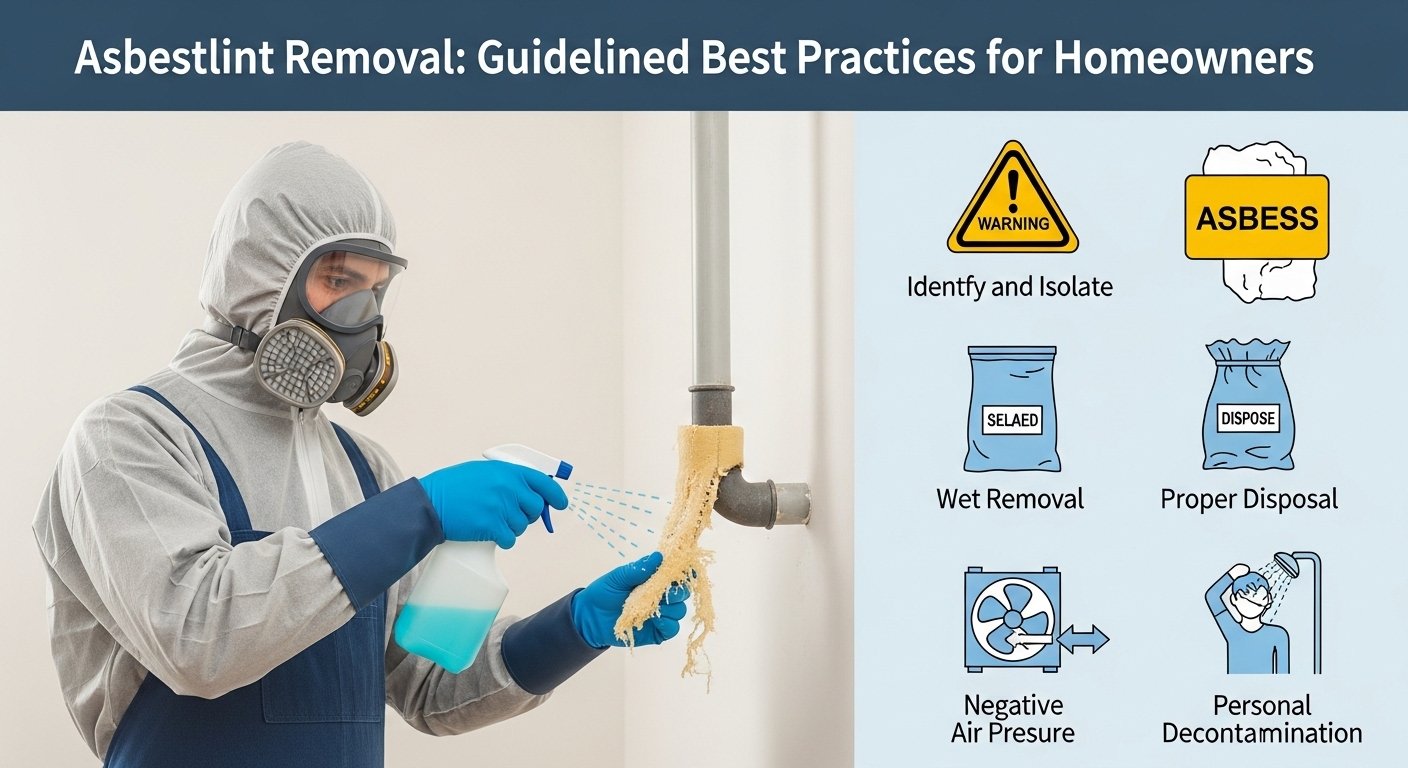
When tackling asbestlint removal, safety should be your top priority. Always wear appropriate protective gear, including a high-quality respirator mask, gloves, and disposable coveralls. These items are essential to minimize exposure to harmful fibers.
Before starting the process, ensure that the work area is well-ventilated. Open windows and use fans to create airflow. This reduces the chance of inhaling any asbestos particles.
Keep all tools and materials handy but avoid unnecessary clutter in the workspace. It helps maintain focus while ensuring you can access what you need quickly.
Seal off the area with plastic sheeting to prevent contamination in other parts of your home. Use duct tape for secure sealing around doors and vents. Always wet down asbestlint before attempting removal; this helps keep fibers from becoming airborne during handling.
Best Practices for Disposal of Asbestos Materials
Disposing of asbestos materials requires careful planning and execution. It’s crucial to follow local regulations, as improper disposal can lead to severe penalties. Start by sealing asbestos waste in leak-proof containers or heavy-duty plastic bags. This prevents fiber release during transport.
Always label these containers clearly. Indicating that they contain hazardous materials ensures safety for everyone involved. Transporting the waste should be done using a dedicated vehicle if possible. Keep windows closed and avoid stopping unnecessarily on the way to the disposal site.
Choose an authorized landfill equipped to handle asbestos. These facilities have specific protocols in place, ensuring safe processing of hazardous materials. Never attempt to burn or bury asbestos waste at home; this poses serious environmental and health risks. Proper disposal protects not only you but your community as well.
Conclusion
Removing asbestlint is not just a task; it’s a responsibility. Homeowners must recognize the potential dangers associated with asbestos and take them seriously. Understanding what asbestlint is and how to identify it in your home sets the foundation for safer living environments.
Deciding whether to tackle removal on your own or hire professionals can be daunting. Each option has its pros and cons, but safety should always come first. Following established guidelines for safe removal can protect you and your family from health risks.
Disposal of asbestos materials also requires careful consideration. Adhering to local regulations ensures compliance and minimizes environmental impact. Taking these steps will help you manage asbestlint effectively, allowing you to maintain both safety and peace of mind within your home environment.