
Every year, millions of households upgrade their phones, replace laptops, or discard outdated electronics without a second thought. What most people don’t realize is that this growing pile of electronic waste—commonly known as e-waste—is now the fastest-growing waste stream in the world, according to the World Health Organization..
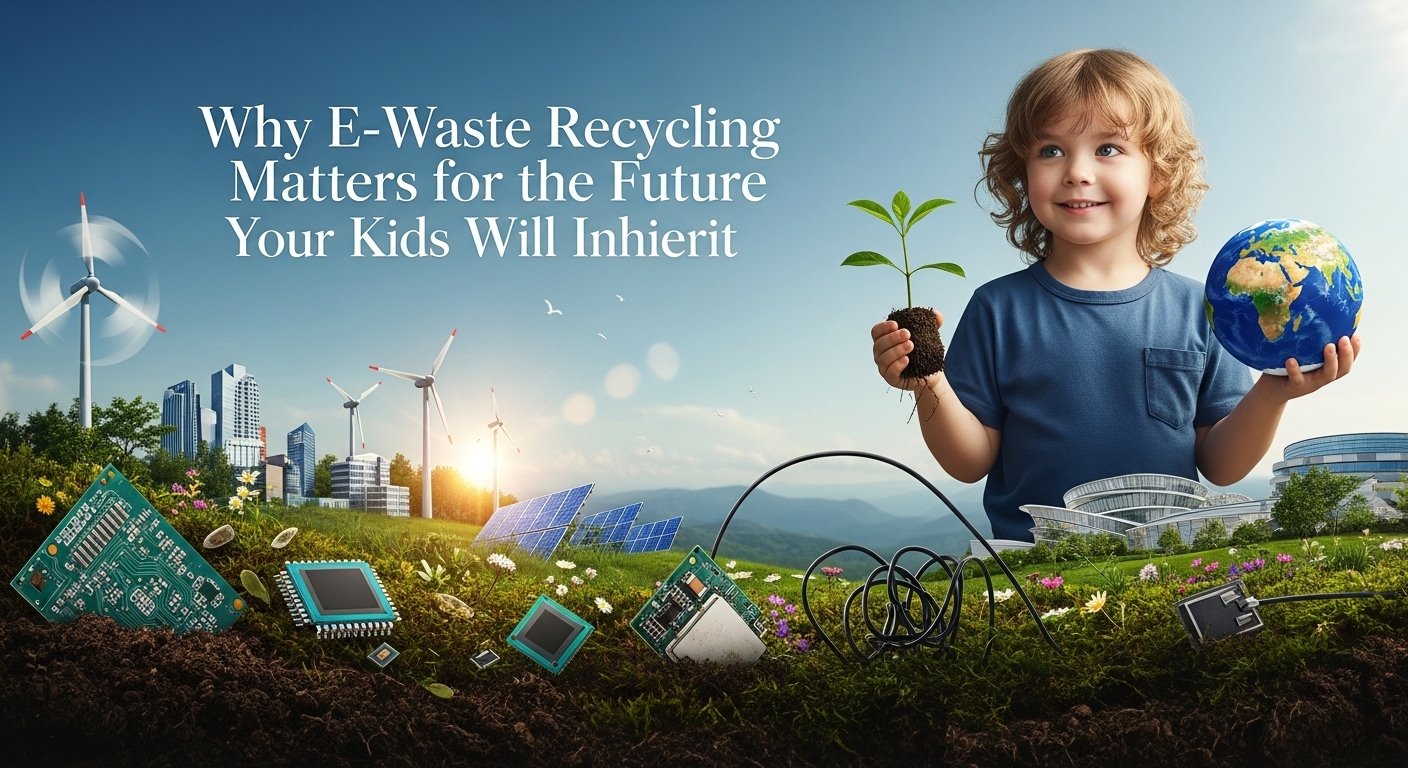
While technology continues to improve our lives, the way we dispose of it is quietly shaping the future our children will inherit.
The Hidden Problem Behind Your Old Devices
E-waste includes everything from smartphones and televisions to printers and kitchen appliances. These items may seem harmless when sitting in a drawer or tossed into the trash, but they contain hazardous materials like lead, mercury, and cadmium.
When improperly discarded, these toxic substances can seep into soil, water, and air—creating long-term environmental damage. Even more concerning, only about 22% of global e-waste is properly recycled worldwide, based on global e-waste data, leaving the majority to end up in landfills or unsafe recycling systems.
Why This Matters for the Next Generation
The impact of e-waste goes far beyond environmental concerns—it directly affects human health, especially children. According to the World Health Organization, exposure to toxic materials from e-waste can lead to developmental issues, respiratory problems, and even long-term chronic diseases in children.
Children are particularly vulnerable because their bodies are still developing, and they absorb pollutants more easily than adults. In simple terms, the way we handle e-waste today could influence the health and quality of life of future generations.
The Environmental Cost of Doing Nothing
When electronics are thrown away instead of recycled, two major problems occur:
- Toxic pollution increases – harmful chemicals contaminate ecosystems
- Natural resources are wasted – valuable materials like gold, silver, and copper are lost
In fact, unrecycled e-waste contains billions of dollars worth of recoverable materials that could be reused instead of mined.
Mining new materials not only depletes natural resources but also contributes to carbon emissions and environmental destruction. Recycling, on the other hand, reduces the need for new extraction and lowers overall environmental impact.
The Smarter Alternative: Responsible Recycling
E-waste recycling isn’t just about waste management—it’s about sustainability. Proper recycling allows us to:
- Recover valuable materials for reuse
- Reduce pollution and greenhouse gas emissions
- Minimize landfill waste
- Protect communities from harmful exposure
Safe recycling processes can even significantly reduce carbon emissions compared to mining new materials, making it a key step toward a cleaner future.
Small Actions, Big Impact
The good news? Solving the e-waste problem doesn’t require massive changes overnight. Small, consistent actions can make a real difference:
- Donate or sell working electronics instead of discarding them
- Use certified e-waste recycling services
- Avoid unnecessary upgrades and extend device life
- Educate family members—especially children—about responsible disposal
Teaching kids these habits early helps build a culture of sustainability that lasts for generations.
Understanding the Bigger Picture
If you’re wondering where to start, understanding the reasons to recycle E-waste can help you make more informed and responsible choices when disposing of your electronics.
Final Thoughts
Technology will continue to evolve, and so will our dependence on it. But with that progress comes responsibility.
E-waste recycling is not just about cleaning up today’s mess—it’s about protecting tomorrow’s world. The choices we make now will determine whether future generations inherit a healthier planet or one burdened by our neglect.
The next time you upgrade your device, ask yourself: Where will the old one go?
Because the answer matters more than you think.