
Koriandri, more commonly known as cilantro, is a culinary treasure that adds vibrant flavor to countless dishes. Whether you’re whipping up a zesty salsa or garnishing your favorite curry, fresh cilantro can elevate any meal with its unique taste and aroma. But did you know that growing your own koriandri can enhance both your cooking and gardening experience? Imagine the satisfaction of snipping fresh leaves right from your garden or windowsill. Not only does it bring culinary delights to life, but cultivating this herb also offers numerous benefits for health enthusiasts and food lovers alike. Let’s dive into the world of koriandri and discover how to grow, harvest, and cook with this delightful herb!
What is Koriandri?
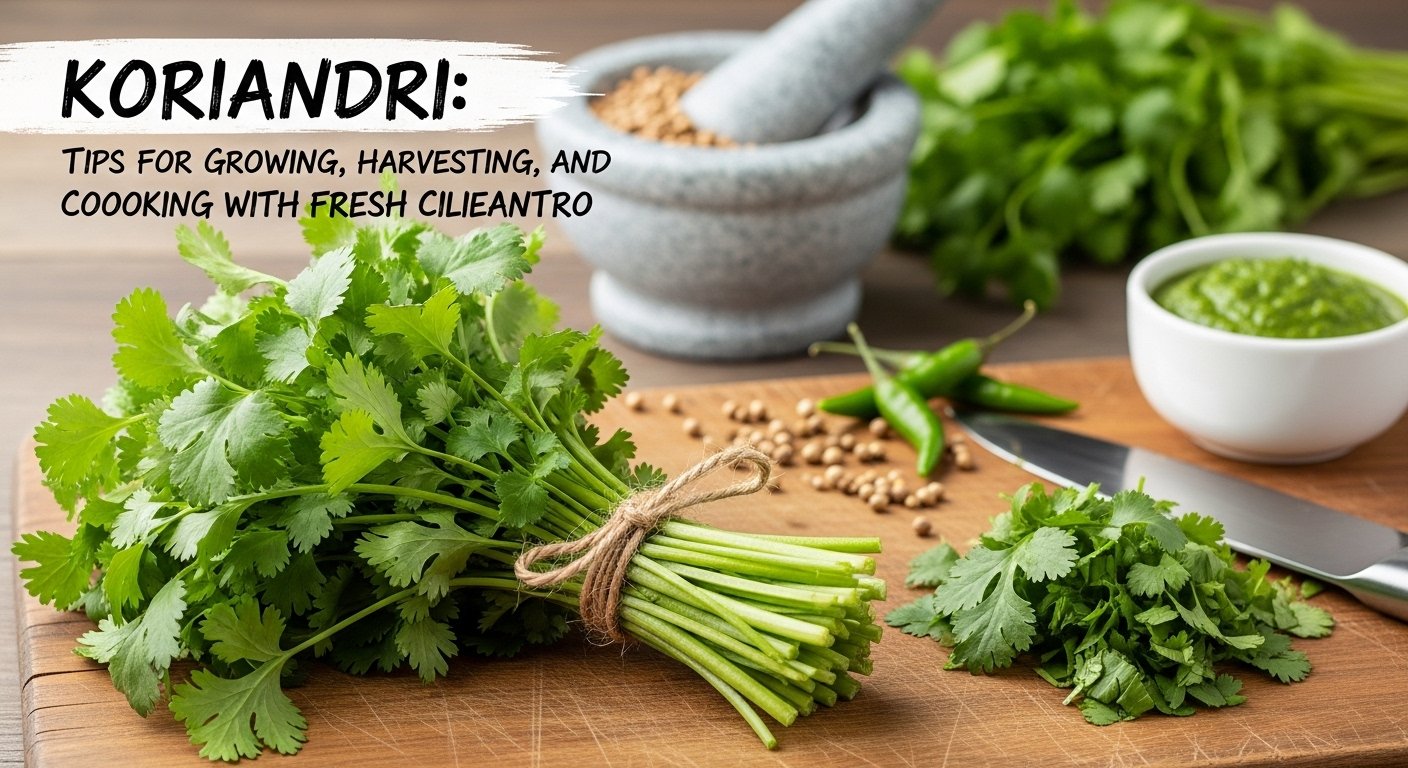
Koriandri, commonly known as cilantro, is a fragrant herb that adds vibrant flavor to various dishes. Its leaves are bright green and feathery, while the plant produces small white or pale pink flowers when allowed to mature.
This versatile herb has roots in culinary traditions worldwide. From salsas in Mexican cuisine to curries in Indian cooking, its unique taste can elevate any meal.
Cilantro is not just appreciated for its zest but also valued for nutritional benefits. It’s rich in vitamins A, C, and K, along with essential minerals such as potassium and calcium.
The aroma of koriandri can be polarizing; some adore it while others find it reminiscent of soap. Regardless of personal preference, this herb remains an important component in diverse recipes across cultures.
Benefits of Growing Your Own Cilantro
Growing your own koriandri brings a plethora of benefits that can elevate your culinary experience. For starters, homegrown cilantro offers unmatched freshness and flavor. There’s nothing quite like the crisp, vibrant taste of freshly harvested leaves.
Cultivating cilantro also allows you to control how it’s grown. You can choose organic practices free from pesticides or chemicals, ensuring a healthier ingredient for your dishes.
Additionally, having cilantro at your fingertips encourages experimentation in the kitchen. It’s easy to toss some into salads, salsas or even smoothies for an extra zing.
Gardening itself is therapeutic and rewarding. Tending to plants connects you with nature while providing a sense of accomplishment as you watch them flourish.
Growing koriandri means saving money over time. Store-bought herbs can add up quickly; nurturing your own provides both savings and satisfaction.
How to Plant and Grow Cilantro
Planting cilantro is simple and rewarding. Start by choosing a sunny spot in your garden or use pots if you’re limited on space. Cilantro prefers well-drained soil, so ensure the pot has good drainage holes.
Sow the seeds directly into the ground or container about half an inch deep. Space them roughly 6 inches apart to give each plant room to grow. Water gently after planting, keeping the soil moist but not soggy.
Cilantro thrives in cooler temperatures, ideally between 60°F and 75°F. If it gets too hot, it may bolt, which means it will flower and go to seed prematurely. To extend its harvest time, consider sowing new seeds every few weeks.
Regularly pinch off any flowers that appear to encourage leaf growth instead of seed production. With proper care, you’ll enjoy lush greenery ready for harvesting soon!
Harvesting and Storing Fresh Cilantro
To harvest fresh cilantro, wait until the leaves are abundant and vibrant. Using sharp scissors or garden shears, snip off the outer leaves first. This method promotes new growth from the center of the plant.
Be mindful to leave some foliage behind, allowing your koriandri to continue thriving. Aim for a harvesting window in early morning when moisture levels are higher; this enhances flavor and freshness.
Storing freshly cut cilantro requires care to maintain its taste and texture. Rinse gently under cold water to remove any dirt or debris. Shake off excess water but avoid drying completely.
For short-term storage, wrap cilantro loosely in a damp paper towel and place it inside a plastic bag before refrigerating. Alternatively, consider placing the stems in a jar with water like flowers—covering loosely with a plastic bag can extend its life as well!
Creative Ways to Use Fresh Cilantro in Cooking
Fresh cilantro is a versatile herb that can elevate many dishes. It adds brightness and depth to salsas, enhancing the flavors of tomatoes and avocados. Chop it finely and mix into guacamole for an extra zing. You’ll be surprised at how much it transforms the taste.
For soups, toss in whole leaves just before serving. This gives a burst of fresh flavor that complements broths beautifully. Blend cilantro with olive oil, garlic, and nuts to create a vibrant pesto. Use this as a sauce over pasta or grilled vegetables for something unique.
Cilantro also shines in salads. Toss it with cucumber, radish, and lime juice for a refreshing side dish that pairs well with spicy meals. Don’t forget about desserts! Infuse simple syrups with cilantro to drizzle over fruit salads or use in cocktails for an unexpected twist.
Common Mistakes When Growing Cilantro and How to Avoid Them
One common mistake gardeners make is planting cilantro too late in the season. Cilantro thrives in cooler weather, so timing is crucial. Aim to plant it early in spring or late summer for a bountiful harvest.
Another issue arises from inadequate sunlight. While cilantro can tolerate some shade, it flourishes best with at least six hours of direct sun daily. Ensure your plants are positioned where they receive ample light.
Overwatering can also hinder growth. Cilantro prefers moist but not soggy soil. Allow the top inch of dirt to dry out before watering again to prevent root rot.
Many forget that cilantro tends to bolt quickly when temperatures rise. To delay this process, consider succession planting every few weeks or providing afternoon shade during hotter months for a longer growing period and more flavorful leaves.
Conclusion
Koriandri, or cilantro as it’s commonly known, is more than just a garnish. This versatile herb can elevate your dishes and provide numerous health benefits. Growing your own koriandri not only guarantees freshness but also adds an enjoyable gardening experience to your routine.
With simple planting techniques and proper care, you can cultivate a thriving crop right in your backyard or even on your windowsill. Knowing when and how to harvest will ensure that you maximize the flavors of this fragrant herb.
Incorporating fresh cilantro into meals opens up a world of culinary creativity. From vibrant salsas to refreshing salads and exotic curries, koriandri brings zest to countless recipes.
Being aware of common pitfalls can save you time and effort while cultivating this delightful plant. Remembering these tips will lead to successful growth year after year.
Embracing koriandri in both growing and cooking enhances not only flavor but also encourages healthy eating habits. Dive into the journey of nurturing this beloved herb for delicious meals ahead!