
Gratinieren is a culinary technique that transforms ordinary dishes into extraordinary experiences. Imagine digging into a bubbling casserole topped with a golden, crispy layer it’s comfort food at its finest. Whether you’re a novice in the kitchen or an experienced home cook looking to elevate your skills, understanding how to achieve that perfect gratin topping is essential. This guide will take you on a journey through the world of gratinieren, exploring its rich history and variations while providing you with practical tips and creative ideas for incorporating this delightful technique into your meals. Get ready to impress your family and friends with mouthwatering dishes that boast irresistible textures and flavors!
What is Gratinieren?
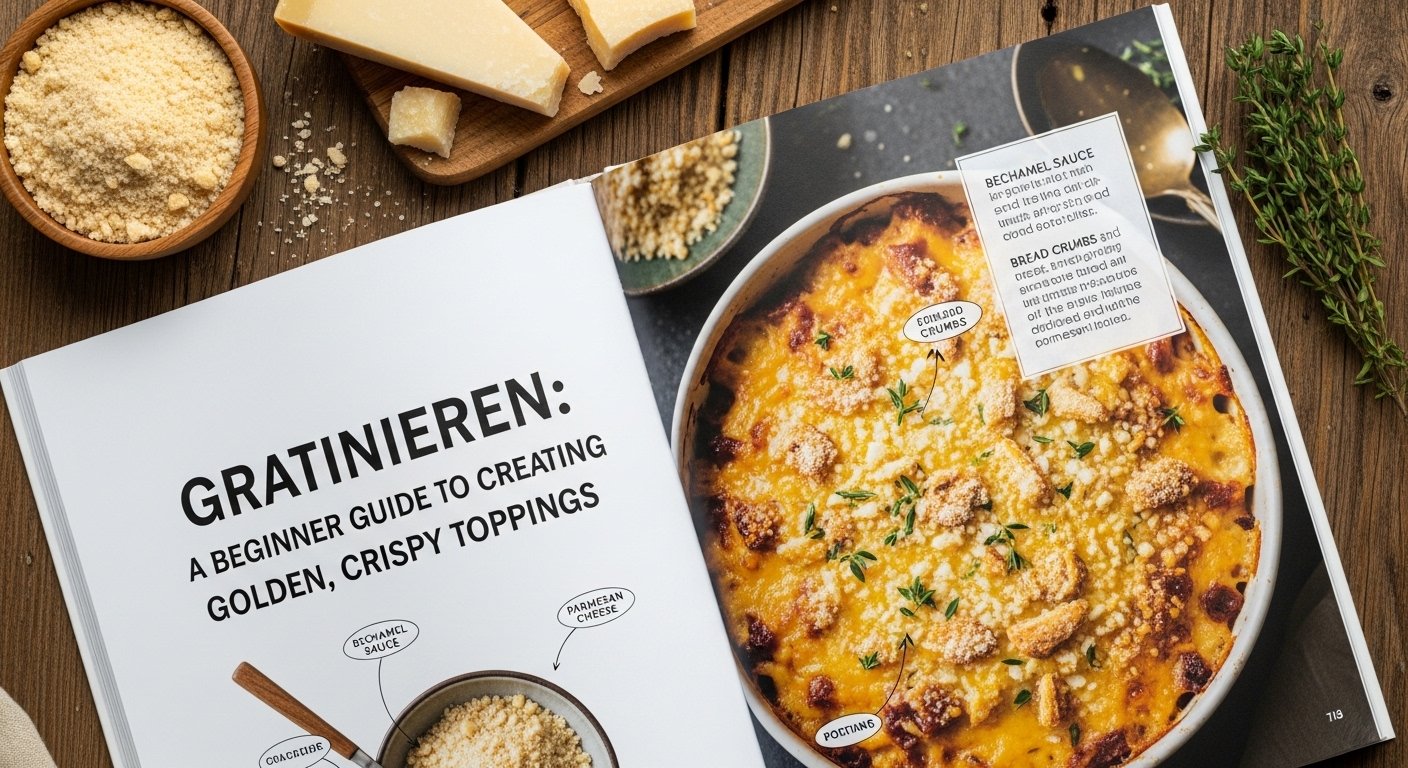
Gratinieren is a cooking technique that transforms ordinary dishes into culinary masterpieces. This method involves topping a dish with cheese, breadcrumbs, or a combination of both before baking it in the oven. The magic happens when heat hits the surface. It causes the toppings to melt and brown, creating an irresistible golden crust. That crispy texture not only adds visual appeal but also elevates flavors.
Traditionally used for vegetables, pasta, and casseroles, gratinieren enhances any meal. The result is often a delightful contrast between creamy interiors and crunchy exteriors. This approach is popular across various cuisines worldwide. Whether it’s French gratins or Italian pastas topped with golden cheese, this technique brings comfort food to new heights. Explore how simple ingredients can shine through this deliciously transformative process.
The History of Gratinieren
Gratinieren has roots that trace back to ancient culinary traditions. Originating from France, the technique was designed to enhance dishes by adding a flavorful crust. The term stems from the French word “gratter,” meaning to scrape or scratch. This reflects the process of creating a textural contrast on top of various foods. In its early days, gratinieren was often associated with simple ingredients like potatoes and cheese.
As time passed, chefs began experimenting with different textures and flavors. The method evolved into an art form in French cuisine during the 18th century, when it became synonymous with comfort food. By incorporating breadcrumbs, herbs, and cheeses into recipes, cooks achieved that coveted golden layer. Today’s gratins can be both rustic and refined a testament to their versatility in modern kitchens across the globe.
Types of Gratin Dishes and Variations
Gratin dishes come in various forms, each offering a unique twist on the classic technique. One popular type is potato gratin, where layered slices of potato are baked with cream and cheese until golden brown. It’s a comforting favorite that graces many dinner tables. Vegetable gratins also shine brightly in this category. Mixed veggies like zucchini, cauliflower, or spinach can be enhanced with cheese and breadcrumbs for an irresistible crunch.
Seafood lovers might enjoy a rich lobster or shrimp gratin, combining tender seafood with creamy sauces and topped with crispy panko. Don’t forget about dessert! Sweet gratins made from fruits such as apples or pears mixed with spices and sugar create delightful endings to meals when baked under a buttery crumble topping. Each variation invites creativity, allowing home cooks to experiment based on personal tastes and seasonal ingredients.
Ingredients and Tools for Creating a Perfect Gratin Topping
Creating the perfect gratin topping begins with choosing the right ingredients. You’ll want to start with a good quality cheese. Gruyère, Parmesan, or a sharp cheddar are popular choices that melt beautifully and add depth of flavor. Next, consider using breadcrumbs for that delightful crunch. Panko breadcrumbs offer extra crispiness due to their airy texture. Mix them with some melted butter for added richness.
Fresh herbs can elevate your dish further. A sprinkle of thyme or parsley adds freshness and enhances presentation. Don’t overlook tools; you’ll need a sturdy baking dish suitable for high heat. A ceramic or glass dish works wonders in evenly distributing heat while allowing those toppings to brown perfectly. Having a reliable oven thermometer ensures you achieve the right temperature without any guesswork. With these ingredients and tools at hand, you’re well on your way to mastering gratinieren.
Step-by-Step Guide to Making a Basic Gratin Topping
Creating a basic gratin topping is simple and rewarding. Start by gathering your ingredients: breadcrumbs, cheese, butter, and seasoning. Begin by preheating your oven to 375°F (190°C). While it warms up, melt about two tablespoons of butter in a skillet over medium heat. Add one cup of breadcrumbs to the skillet. Stir them gently until they’re evenly coated with the melted butter. This will enhance their flavor and crunchiness.
Next, mix in half a cup of grated cheese Gruyère or Parmesan works beautifully here. Sprinkle in some salt, pepper, or even herbs for an extra kick. Once combined, spread this mixture evenly over your prepared dish. Bake it for around 15-20 minutes until it’s golden brown and crispy on top. The aroma will be irresistible!
Tips and Tricks for Achieving the Perfect Golden, Crispy Texture
Achieving that perfect golden, crispy texture is an art. Start by using a mix of breadcrumbs and cheese for added crunch. Panko breadcrumbs are particularly effective due to their airy consistency. Layer your ingredients thoughtfully. Create a solid base before adding toppings, ensuring even heat distribution during cooking. This helps everything cook uniformly without sogginess.
Don’t shy away from butter or oil! A light drizzle over the top enhances browning and contributes to that delightful crispness. Adjust the oven temperature as well. High heat promotes caramelization while keeping moisture at bay. Just keep an eye on it; things can go from golden to burnt quickly. Consider broiling in the last few minutes for extra color and crunch. Rotate your dish if needed to ensure every side gets its moment under the intense heat source.
Unique and Creative Ways to Use Gratinieren in Your Cooking
Gratinieren isn’t just for classic dishes. Think outside the box and elevate your everyday meals. Try topping a creamy soup with a layer of grated cheese, then broil until bubbly. The contrast between hot soup and melted topping is delightful. Vegetables can also shine through gratinieren. Layer thinly sliced zucchini or eggplant with herbs and breadcrumbs for a tasty side dish that impresses at dinner parties.
For breakfast, consider gratin-style eggs. Whisk them together with spinach, feta, and sun-dried tomatoes. Bake until set, topped with crispy panko for texture. Desserts aren’t off-limits either! Imagine caramelized fruit under a blanket of sugar; torch it lightly to create an irresistible crunchy crust that contrasts beautifully with soft fruit beneath. Experimenting with gratinieren adds excitement to your kitchen adventures while bringing an elegant touch to familiar recipes. Let creativity guide you!
Elevate Your Culinary Skills with
Elevate your culinary skills with the art of gratinieren. This technique adds a new dimension to everyday dishes, transforming them into gourmet experiences. Start by mastering the basics of creating that coveted golden crust. With just a few ingredients and techniques, you can enhance textures and flavors in any meal. Experiment with various toppings. Combine breadcrumbs, cheese, herbs, or even nuts for added crunch and complexity. Each option brings its unique flair.
Don’t shy away from thinking outside the box! Use gratinieren on vegetables like zucchini or cauliflower as well as proteins such as chicken or fish. The possibilities are endless. As you gain confidence in this technique, challenge yourself further by blending different cuisines’ elements together. A Mediterranean-inspired gratin could marry tomatoes with feta while an Asian twist could include sesame seeds atop stir fried veggies. This journey will elevate both your cooking repertoire and your dining experience at home.
Conclusion
Gratinieren is more than just a cooking method; it’s an art form that transforms ordinary ingredients into something extraordinary. With the right techniques and creativity, you can elevate your dishes to new heights. By understanding what gratinieren entails and exploring its rich history, you’re already on your way to mastering this culinary skill. The types of gratin dishes are diverse, catering to every palate from savory vegetables to comforting casseroles.
Equipping yourself with the essential ingredients and tools will set you up for success in creating that perfect topping. A step-by-step approach allows even beginners to join in on this delightful cooking experience, while tips and tricks ensure that golden, crispy texture becomes second nature.
Don’t hesitate to experiment with unique variations of gratinieren in your meals. Whether adding herbs or switching up cheeses, there’s always room for creativity in the kitchen. As you dive deeper into the world of gratinieren, you’ll find it not only enhances your culinary skills but also brings joy and satisfaction each time you serve a beautiful dish adorned with a crisp topping. Happy cooking!