
Kouskousi is a dish that has captured the hearts and palates of many across the globe. With its rich history and vibrant flavors, this classic culinary delight goes beyond mere sustenance. It tells stories of tradition, family gatherings, and cultural exchange.
Originating from North Africa, kouskousi has found its way into kitchens everywhere, evolving while maintaining its essence. Each bite transports you to a world filled with spices, textures, and aromas that awaken your senses. As we embark on this flavorful journey through kouskousi’s past and present, prepare to uncover not just a recipe but an experience steeped in heritage. Whether you’re a seasoned chef or trying it for the first time, there’s something special waiting for you in each steaming bowl of kouskousi.
What is Kouskousi?
Kouskousi is a traditional dish that has captivated taste buds for centuries. This North African staple, often referred to as couscous in many parts of the world, features tiny steamed granules made from durum wheat semolina.
The texture of kouskousi is unique. It’s light and fluffy yet hearty enough to absorb flavors from accompanying dishes. Its versatility allows it to pair wonderfully with meats, vegetables, or even rich sauces.
Often served warm, kouskousi can also be enjoyed cold in salads. The preparation process involves steaming the granules multiple times for that perfect consistency an art form passed down through generations.
This beloved dish transcends borders and cultures while remaining deeply rooted in tradition. Each plate tells a story reflecting local ingredients and culinary practices, making kouskousi more than just food; it’s an experience waiting to unfold at your table.
The Ingredients and Preparation of Kouskousi
Kouskousi is a delightful fusion of flavors and textures, largely defined by its staple ingredient: couscous. Made from crushed durum wheat, this tiny pasta absorbs flavors beautifully.
Preparation begins with steaming the couscous until fluffy. This process ensures it retains its distinctive bite while becoming tender. Traditionally, it’s often served alongside rich stews or grilled vegetables to create a balanced meal.
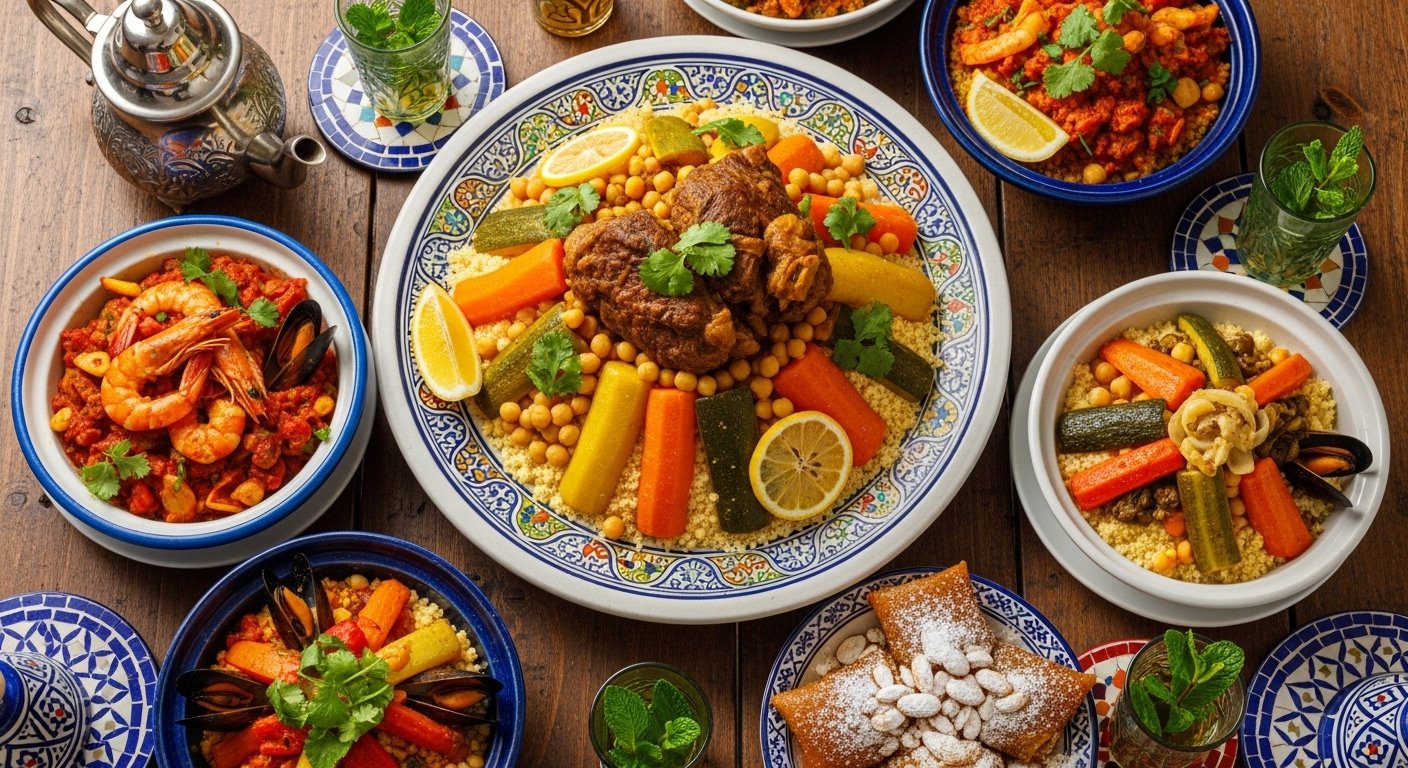
Key ingredients vary depending on personal preferences and regional influences. Common additions include chickpeas, aromatic spices like cumin and coriander, as well as seasonal vegetables such as carrots and zucchini. Each component enhances the overall experience.
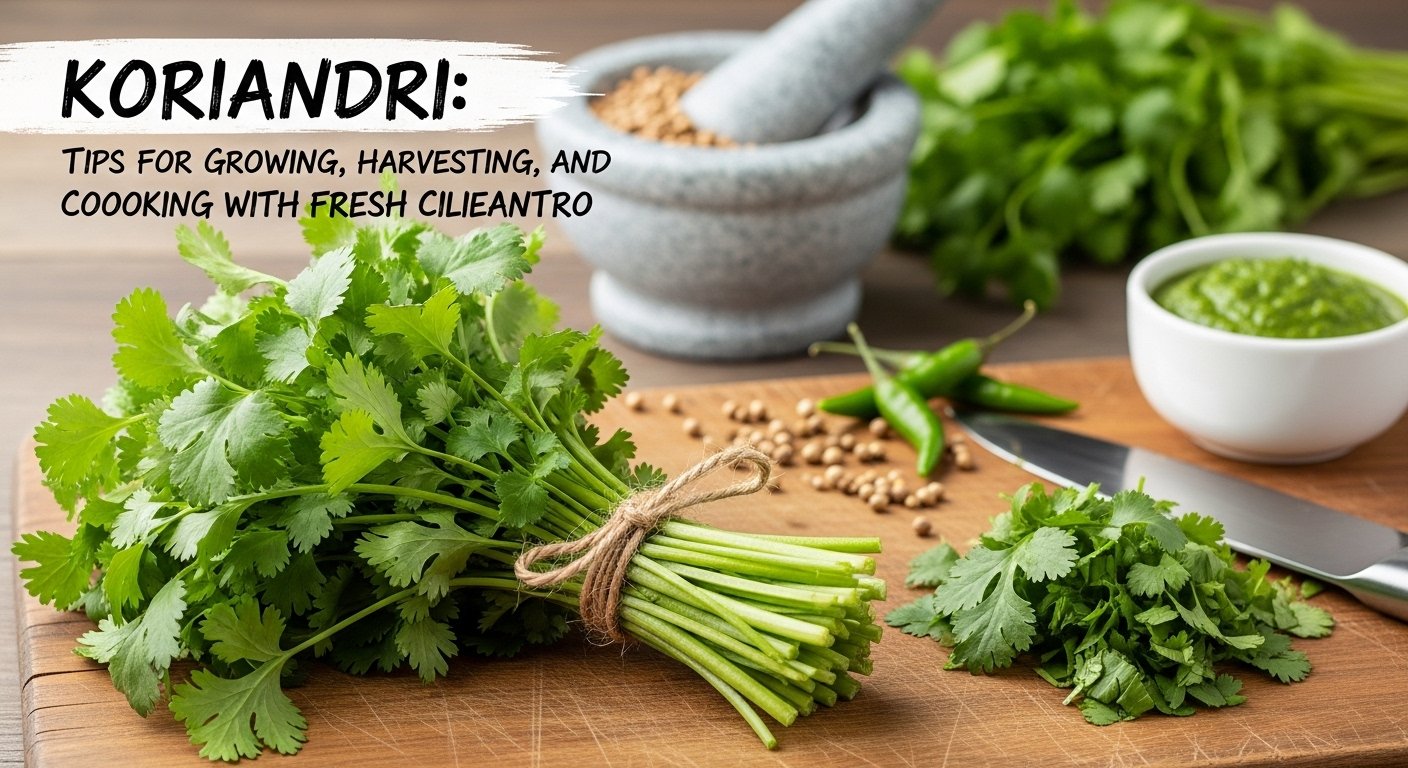
Herbs play an essential role too; fresh parsley or cilantro can brighten up the dish with vibrant notes. The interplay of these elements creates not just nourishment but a celebration of culinary heritage passed down through generations.
Regional Variations and Traditions
Kouskousi boasts a rich tapestry of regional variations, each with its own unique twist. In North Africa, particularly in Morocco and Algeria, you’ll find it paired with aromatic spices and tender meats. The dish often features lamb or chicken simmered to perfection.
In Tunisia, kouskousi takes on a spicier profile. Here, harissa plays a starring role alongside vegetables and fish. This infusion of heat brings an exciting flavor dimension that locals cherish.
The Berber communities have their special customs too. They prepare kouskousi for festive occasions like weddings or religious celebrations. It serves as a symbol of hospitality and community bonding.
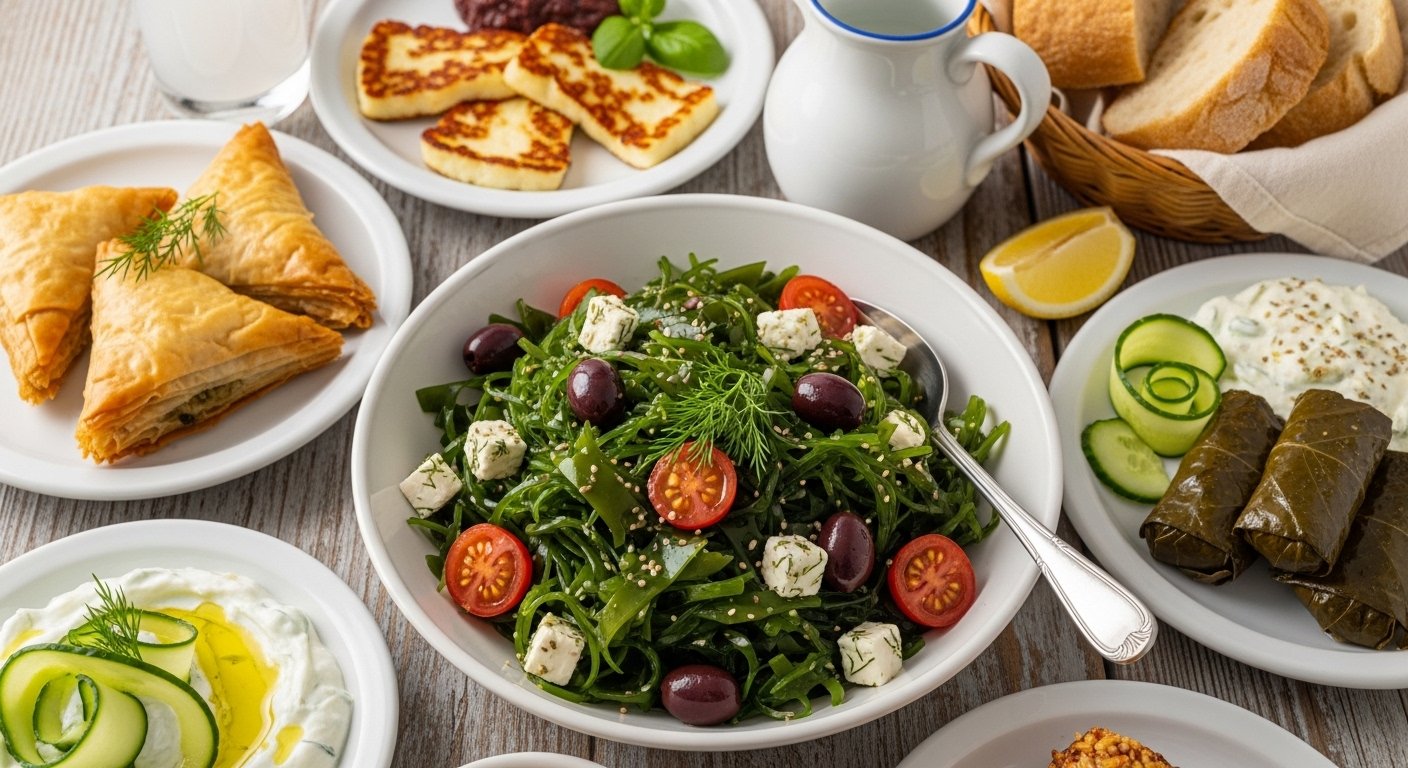
Moving beyond North Africa, the Mediterranean also embraces this beloved dish. Countries like Italy incorporate kouskousi into salads or serve it as a side dish with seafood or grilled vegetables. Each region offers its own narrative through flavors and traditions passed down through generations.
Health Benefits of Kouskousi
Kouskousi is not just a delight for the taste buds; it also offers impressive health benefits. This dish, primarily made from semolina wheat, provides an excellent source of carbohydrates. These complex carbs fuel your body and help maintain energy levels throughout the day.
Rich in fiber, kouskousi aids digestion and promotes gut health. A diet high in fiber can help prevent constipation and support overall digestive function.
Moreover, kouskousi contains various vitamins and minerals essential for optimal health. It often comes enriched with protein when paired with legumes or meat.
Low in fat yet satisfying, this dish can be part of weight management efforts without sacrificing flavor or fullness. Incorporating kouskousi into meals supports balanced nutrition while enjoying traditional flavors that have stood the test of time.
Popular Ways to Serve Kouskousi
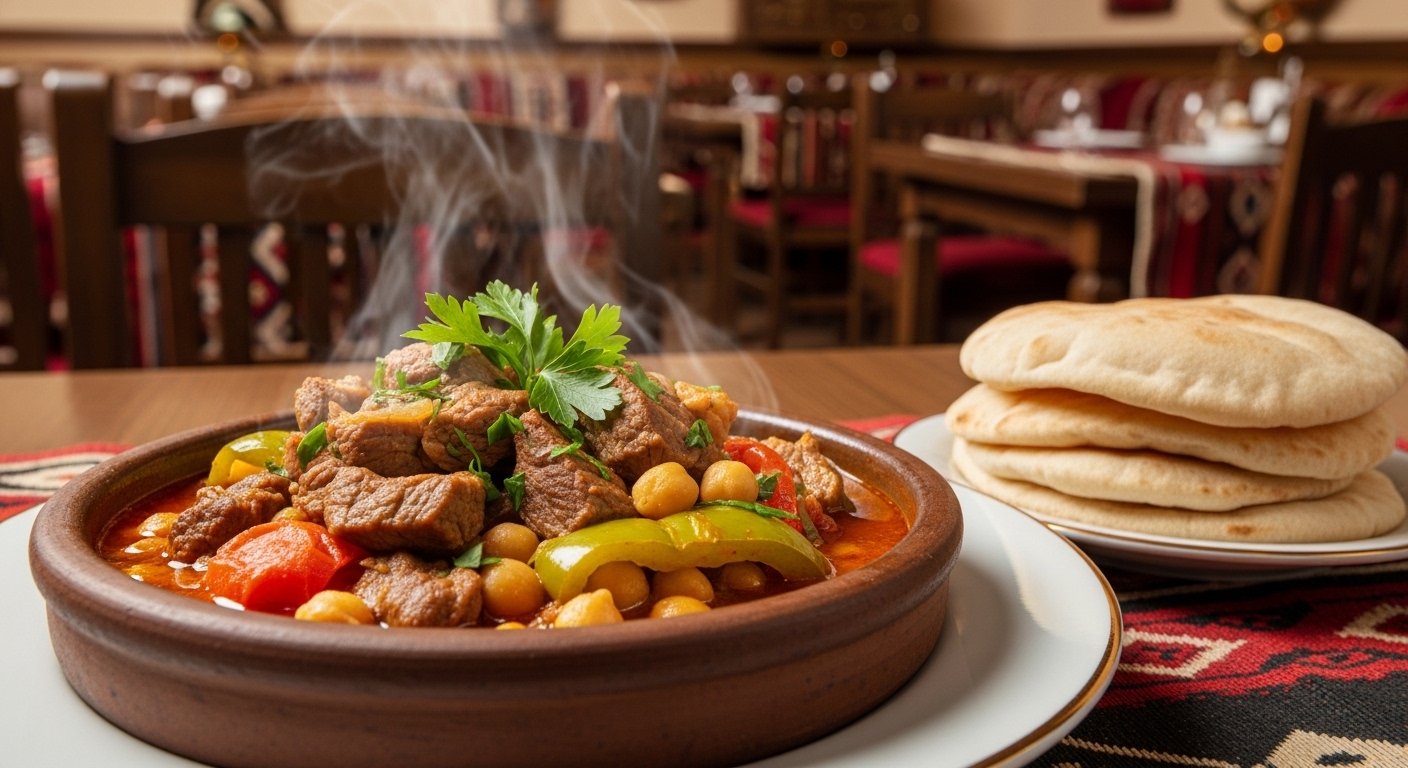
Kouskousi is incredibly versatile, allowing for various serving styles that highlight its unique flavors. Traditionally, it’s often paired with a rich stew of vegetables and meat. This combination creates a delightful harmony of textures.
A popular modern twist involves serving kouskousi cold as a salad. Tossed with fresh herbs, diced veggies, and a light lemon vinaigrette, it becomes a refreshing dish ideal for warm weather gatherings.
You can also find kouskousi topped with grilled seafood or roasted chicken. The smoky notes from grilling elevate the dish’s overall taste profile.
For those who enjoy fusion cuisine, consider incorporating spices like curry or chili flakes to give your kouskousi an exciting kick. Each method offers a new way to appreciate this timeless staple while celebrating culinary creativity across cultures.
A Look Into the Cultural Significance of Kouskousi
Kouskousi is more than just a dish; it embodies the essence of community and tradition. In many cultures, sharing this meal brings families together. It is often served during celebrations and gatherings, reinforcing bonds.
This dish holds historical significance as well. Originating from North Africa, kouskousi has traveled across borders, adapting to local customs along the way. Each region adds its unique twist, making every bowl an experience of cultural exchange.
Moreover, kouskousi represents hospitality. Offering a plate to guests signifies warmth and generosity—a valued trait in many societies. The act of preparing kouskousi has become ritualistic for countless households, celebrating not just the food but also the stories that accompany it.
In today’s fast-paced world, embracing kouskousi connects generations through culinary heritage. It serves as a reminder of simpler times when meals were shared slowly around family tables filled with laughter and love.
The Timelessness of Kouskousi in Modern Cuisine
Kouskousi has effortlessly transcended generations, finding its place in contemporary kitchens across the globe. This beloved dish, rich with history, appeals to both traditionalists and modern food enthusiasts alike.
Today’s chefs experiment with kouskousi by incorporating diverse ingredients and innovative flavors. You might find it paired with roasted vegetables or exotic spices that create a vibrant twist on the classic recipe.
Cafés and restaurants are beginning to showcase as a versatile alternative for various diets, from vegan to gluten-free options. Its adaptability makes it a perfect fit for health-conscious diners seeking hearty yet nutritious meals.
Social media platforms have also played a role in reviving interest in kouskousi. Food bloggers share colorful plates that inspire home cooks everywhere to explore this timeless dish while adding their personal flair along the way. From family gatherings to upscale dining experiences, continues to enrich culinary conversations worldwide.
Conclusion
Kouskousi has stood the test of time, weaving through cultures and generations. This beloved dish is more than just food; it’s a celebration of community and tradition. Its rich history reflects the journeys of diverse peoples who have embraced its flavors.
Today, continues to evolve while retaining its essence. It invites culinary creativity with each new variation, adapting to modern tastes without losing sight of its roots. The global appreciation for this dish highlights how food can unite us across borders.
As you explore kouskousi in your own kitchen or at a local restaurant, remember that every bite tells a story. Enjoying is not just about savoring delightful flavors; it’s also about participating in an ongoing cultural dialogue that spans centuries. Embrace this timeless journey on your plate and share it with others it truly makes each meal special.