
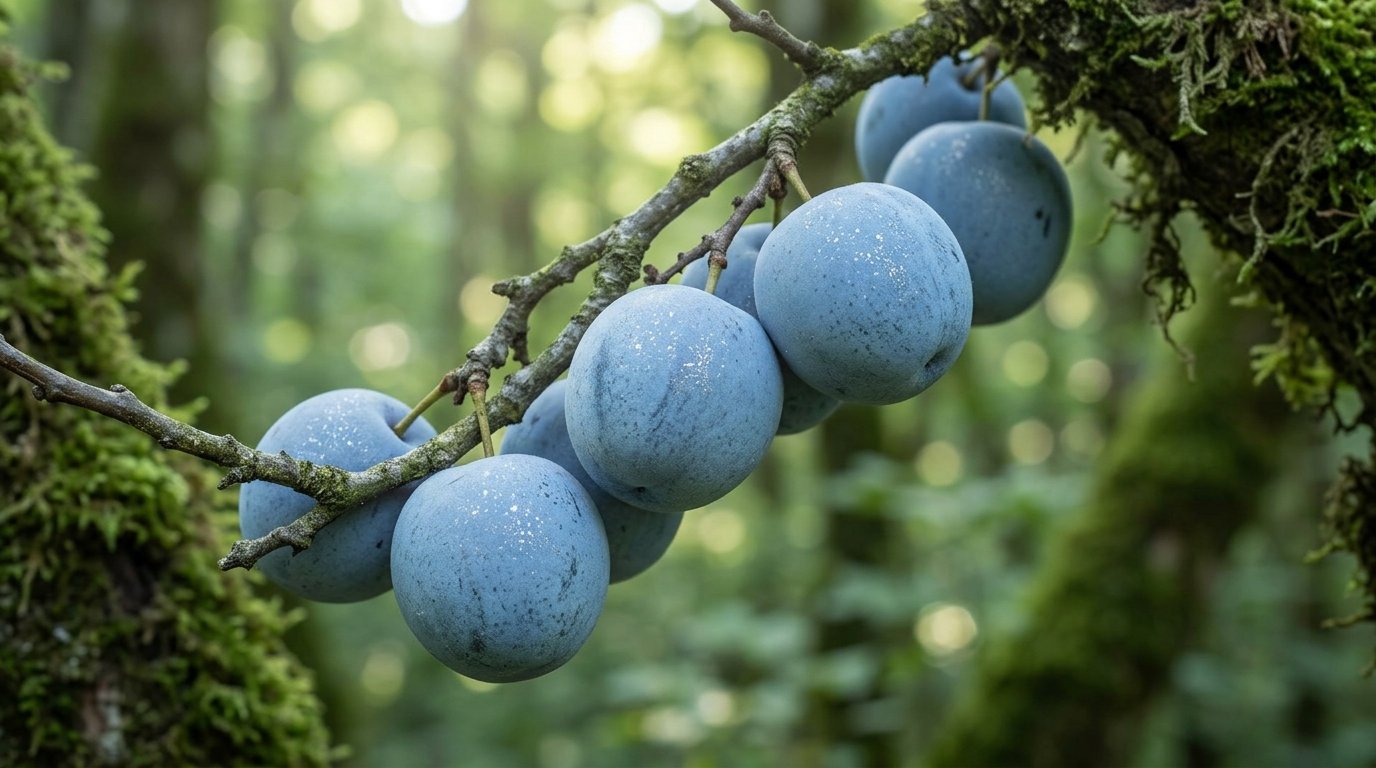
Jablje, a name that seems to roll off the tongue like sweet syrup, is not just any fruit; it holds a special place in the hearts of many across various cultures. This beloved fruit has roots steeped in tradition and folklore, captivating generations with its rich history and vibrant symbolism. Whether you’ve savored its juicy flesh or have only heard whispers of its significance, there’s much more to Jablje than meets the eye. Join us as we delve into the enchanting world of this unique fruit exploring everything from ancient myths to modern-day celebrations and discover why Jablje continues to hold sway over people’s lives today.
What is Jablje?
Jablje, commonly referred to as the apple in various languages, is much more than just a fruit. It encompasses diverse varieties that thrive across different climates and terrains.
Originating from Central Asia, this beloved fruit has spread its roots worldwide. Each type of jablje boasts unique flavors and textures, ranging from sweet to tart. People enjoy it fresh or baked into pies and pastries.
In many cultures, jablje symbolizes knowledge and temptation, often appearing in literature and art throughout history. Beyond culinary uses, it carries a deeper significance in folklore representing abundance and health.
Its versatility makes jablje a staple ingredient not only in kitchens but also in traditional remedies. This fascinating fruit continues to capture hearts everywhere while maintaining deep cultural ties that go beyond mere consumption.
The Cultural Significance of Jablje in Different Countries
Jablje holds a cherished place in various cultures around the globe. In Eastern Europe, especially Slovenia, it symbolizes prosperity and good fortune. Families often have traditions involving jablje that are passed down through generations.
In parts of Central Asia, jablje is celebrated during harvest festivals. The fruit represents abundance and gratitude for nature’s gifts. Communities come together to share meals featuring this delightful treat.
Moving westward, Spain integrates jablje into its culinary delights with unique recipes showcasing both sweet and savory flavors. Its versatility makes it a beloved ingredient in many traditional dishes.
Meanwhile, in North America, the apple has deep connections to folklore and childhood memories—think of picking apples at orchards or enjoying cider on chilly autumn days. Here, it embodies family bonding experiences that go beyond just eating fruit.
Jablje in Mythology and Folklore
Throughout history, jablje has woven its way into the rich tapestry of mythology and folklore. In various cultures, this beloved fruit symbolizes knowledge and temptation. Ancient stories depict it as a gift from divine beings, granting wisdom to those who consume it.
In Slavic traditions, jablje is often linked with love and fertility. It features prominently in wedding ceremonies where couples exchange apples to represent their commitment.
Many tales also describe enchanted groves filled with magical jablje trees that bear fruit only once every hundred years. Those fortunate enough to find them are said to gain incredible fortune or insight into their future.
Legends abound about mystical creatures guarding these precious orchards, adding an air of mystery surrounding the fruit’s origins. Jablje continues to inspire storytellers around the world, bridging generations through shared narratives that celebrate its allure and significance in cultural heritage.
Celebrations and Festivals Involving Jablje
Across various cultures, jablje plays a central role in celebrations and festivals that honor this cherished fruit. In many regions, harvest festivals celebrate the bounty of jablje with vibrant parades and communal feasts. These events bring together families and friends to enjoy dishes made from fresh jablje.
In some countries, the arrival of spring marks special gatherings where people participate in apple-picking excursions. These outings often include games for children and storytelling sessions about the significance of jablje throughout history.
Certain towns hold annual fairs dedicated entirely to showcasing local varieties of jablje. Visitors can sample different flavors, attend cooking demonstrations, and even join contests to find the biggest or juiciest apple.
Music fills the air as performers sing traditional songs related to jablje folklore. This creates an atmosphere rich in culture while highlighting how intertwined this fruit is with community spirit and heritage.
Health Benefits and Uses of Jablje
Jablje, the beloved apple, is not just a treat for the taste buds; it’s also packed with health benefits. Rich in vitamins A and C, jablje supports immune function and skin health.
The fiber content aids digestion and keeps you feeling full longer. Whether eaten raw or cooked, these fruits can help regulate blood sugar levels.
Beyond eating them fresh, jablje can be used in various ways. Think homemade applesauce or warm cider on a chilly evening. It’s a versatile ingredient for pies and crumbles too.
Even the peels are beneficial! They contain antioxidants that fight free radicals in the body. So next time you enjoy this fruit, remember its numerous contributions to your well-being.
Interesting Facts About Jablje
Jablje is not just another fruit; it carries a treasure trove of intriguing facts. Did you know that this beloved fruit has been cultivated for thousands of years? Archaeological evidence suggests its origins date back to ancient civilizations.
In some cultures, Jablje symbolizes knowledge and enlightenment. This stems from its frequent mention in literature and art, often representing the pursuit of wisdom.
Another fascinating aspect is the variety within Jablje itself. There are countless types, each with its unique flavor profile and uses in culinary traditions around the world.
Interestingly, Jablje can also be found in folk remedies across many cultures. People have used it for centuries to treat ailments ranging from digestive issues to skin problems.
Jablje trees can live for over 100 years! Their longevity contributes not only to biodiversity but also enriches landscapes where they thrive.
Why Jablje is More Than Just a Fruit for Some People
For many, jablje transcends its status as a simple fruit. It embodies family traditions and cherished memories. Each bite can transport someone back to sunlit orchards and laughter-filled harvests.
In various cultures, jablje represents love and unity. It’s often used in ceremonies or given as gifts, symbolizing care and connection among loved ones. This humble fruit carries stories of generations past.
The act of growing jablje can be a ritual for some families, passed down through the years. These trees flourish not just with fruit but also with shared experiences and lessons learned over time.
Beyond its physical attributes, jablje serves as a reminder of resilience—a testament to nature’s ability to thrive against odds. For those who cherish it deeply, this fruit is woven into the very fabric of their identity and community values.
Conclusion
Jablje holds a special place in the hearts of many. It isn’t just another fruit; it’s a symbol of culture, tradition, and community. The stories surrounding jablje enrich our understanding of history. They connect generations through shared experiences and folklore.
People cherish this fruit for its flavors and the memories it evokes. Each bite carries whispers of ancestral tales passed down through time. Festivals celebrating jablje create vibrant gatherings where laughter fills the air. These events bring people together, fostering connections that transcend mere enjoyment of food.
Health benefits add to its allure, making it not only delicious but also nourishing. As we explore what jablje means to various cultures around the world, we uncover layers that reveal why this beloved fruit is cherished far beyond its taste alone.
FAQs
Jablje is a fruit that transcends its delicious taste. It holds deep cultural significance, rich traditions, and fascinating folklore that enriches the lives of those who celebrate it. The stories woven around jablje reveal much about our shared human experience.
For many, jablje means more than just nourishment; it symbolizes heritage and connection to the land. Whether through ancient myths or modern-day festivals, this beloved fruit continues to be cherished across generations.
As you explore jablje in your own life be it through savoring its flavor or participating in age-old traditions you’ll find it offers both health benefits and delightful culinary versatility.
What varieties of jablje exist?
There are numerous varieties of jablje ranging from sweet to tart flavors. Popular types include Gala, Honeycrisp, and Fuji.
What are some traditional dishes made with jablje?
Jablje can be used in various dishes like pies, tarts, salads, and even savory sauces. Each culture has unique recipes featuring this versatile fruit.
How can I incorporate more jablje into my diet?
You can enjoy fresh slices as snacks or add them to cereals and smoothies for added sweetness and nutrition. Jablje also pairs well with cheese for a delicious appetizer.
Are there any specific festivals dedicated to celebrating jablje?
Yes! Many regions host apple festivals each year where visitors can partake in tastings, games, crafts activities centered around the harvest season.
Is there symbolism associated with giving someone a gift of jablje?
In several cultures worldwide gifting an apple signifies love or friendship due to its associations with prosperity the perfect gesture for special occasions! Embrace the charm of this remarkable fruit as you dive deeper into its history and traditions!